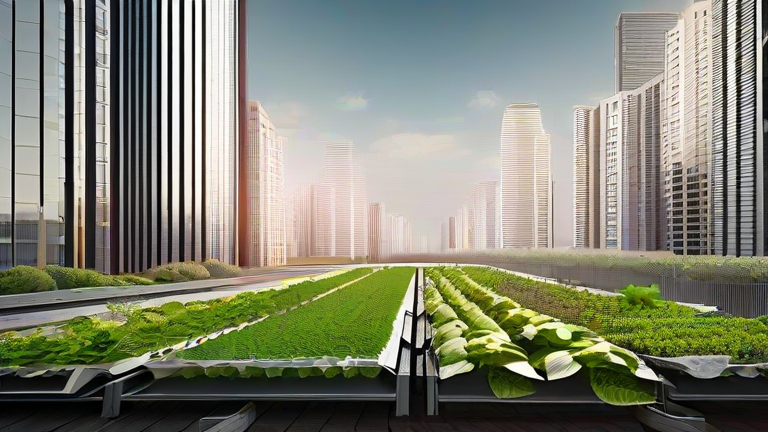
Urban Farming in Skyscrapers: Integrating Agriculture into Residential High-Rises
As urban populations swell, the concrete jungle is evolving into a vertical forest. Integrating agriculture into residential high-rises is no longer a futuristic concept but a necessary adaptation for sustainable living. This guide provides a structured approach to transforming your apartment balcony or communal rooftop into a productive garden, maximizing yield while minimizing space. By following these steps, you can contribute to local food security and enhance your mental well-being through the therapeutic act of gardening.

Step 1: Assess Structural Load and Light Exposure
Before purchasing a single seed, you must understand the physical constraints of your environment. High-rise buildings have strict weight limits for balconies and roofs. Consult your building management or a structural engineer to determine the maximum load capacity per square foot. Avoid heavy soil mixes; instead, opt for lightweight, commercial potting mixes designed for container gardening. These are often enriched with perlite or vermiculite to ensure proper drainage without adding excessive weight.
If you want to dig deeper, check out our guide on 10 Proven Business Growth Strategies for 2024.
Next, map the sunlight patterns on your specific floor. Higher floors often receive more intense, unobstructed sunlight, which can lead to rapid evaporation and plant stress. Identify which areas receive full sun, partial shade, or full shade. Most vegetable crops require at least six hours of direct sunlight daily. Leafy greens like lettuce and spinach can thrive in partial shade, making them ideal candidates for north-facing balconies in the Northern Hemisphere.
Step 2: Choose the Right Growing System
In limited spaces, verticality is your best ally. Utilize vertical gardening systems such as pocket planters, trellises, or stacked hydroponic towers. These systems allow you to grow significantly more produce in a fraction of the floor space. For beginners, a simple vertical pocket planter attached to a railing is an excellent starting point. For those with more technical skills, consider setting up a small hydroponic system. Hydroponics use up to ninety percent less water than traditional soil gardening and grow plants faster because roots have direct access to nutrients.Related Articles
Leave a Reply