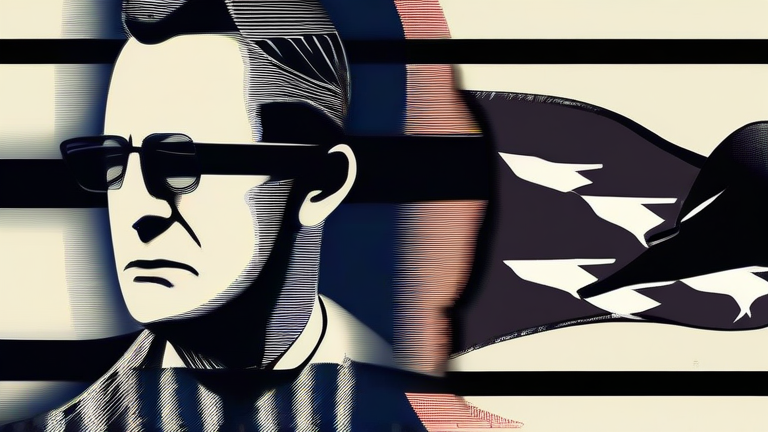
TL;DR: Declassified documents reveal extensive US government surveillance targeting left-wing organizations and Anti-ICE protesters under the guise of national security. This controversial program, often referred to as COINTELPRO 2.0, utilized digital monitoring to suppress dissent and categorize peaceful activism as domestic terrorism.
Feature Highlights
The recent disclosure of internal memos and surveillance logs has shed light on a sophisticated monitoring apparatus designed to track political dissent. Unlike previous eras where physical infiltration was common, this modern iteration relies heavily on digital footprints, social media analysis, and financial tracking. The primary features of this surveillance network include real-time data aggregation from public platforms, automated keyword filtering for terms associated with anti-capitalist movements, and the sharing of intelligence reports between federal agencies and local law enforcement. Notably, the system prioritized the identification of protest leaders, allowing for preemptive legal action and increased scrutiny of their activities. This technological approach ensures that even encrypted communications can be compromised through metadata analysis, creating a pervasive sense of visibility among activists. The integration of artificial intelligence algorithms allows for the prediction of protest sizes and locations, enabling authorities to deploy resources strategically to disrupt or monitor gatherings. Furthermore, the program includes a feedback loop where information gathered from one group is used to expand surveillance into neighboring communities, creating a web of interconnected monitoring that threatens civil liberties. The sheer volume of data collected raises significant ethical questions about privacy rights and the right to peaceful assembly, as citizens are now aware that their digital interactions are subject to federal review. This comprehensive feature set highlights a shift from reactive policing to proactive suppression of ideological opposition.
Comparisons
When compared to historical surveillance programs like COINTELPRO of the 1960s, the current strategy appears more subtle yet equally invasive. While past efforts relied on informants and wiretaps that were easier to detect, modern digital surveillance operates in the background of everyday online activity. Unlike European privacy frameworks that mandate strict consent for data collection, the US approach lacks similar robust protections for political speech. Competing international models, such as those in Germany, emphasize constitutional safeguards for dissent, whereas the American system prioritizes security over liberty in the context of political activism.
Call to Action
Citizens must demand transparency and legislative reform to curb unchecked surveillance powers. Contact your representatives to support bills that limit government access to private data and protect the rights of protesters. Stay informed and advocate for digital privacy rights to ensure a free and democratic society.
FAQ
Q: What specific groups were targeted?
A: The surveillance primarily targeted left-wing organizations, Anti-ICE protesters, and various anarchist collectives across major US cities.
If you want to dig deeper, check out our guide on 2 Days in Andorra: A Guide to Europe’s Smallest Country.
Q: How was the data collected?
A: Authorities used social media monitoring, financial transaction tracking, and metadata analysis to identify and monitor activists without traditional warrants.
Q: Are there legal repercussions for officials?
A: Currently, no federal officials have faced significant legal consequences, prompting calls for independent investigations into potential civil rights violations.
Leave a Reply