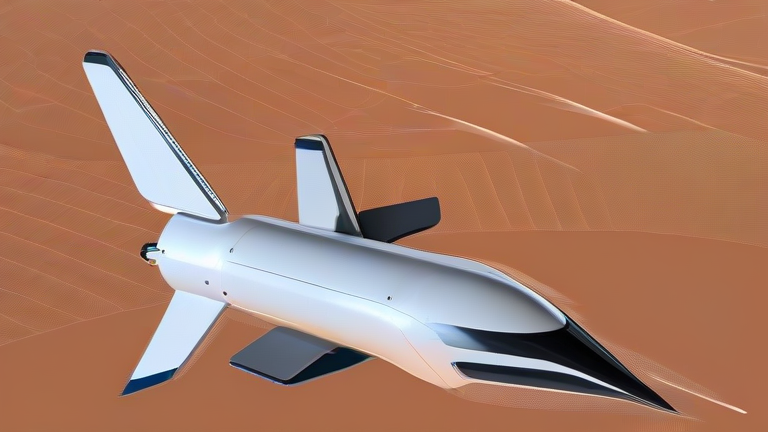
Space Tourism: Suborbital Flights Now Open to the Public
The dream of leaving Earth’s atmosphere is no longer confined to the realm of science fiction or government astronauts. Today, commercial space travel has transitioned from a distant fantasy to a tangible, albeit expensive, reality. The opening of suborbital flights to the public marks a pivotal moment in the aerospace industry, signaling the beginning of a new era where the cosmos is within reach for private citizens. This shift is driven by rapid technological advancements, increased private investment, and a growing consumer appetite for unique, high-stakes experiences.
The Current Market Landscape
The commercial space tourism market is experiencing exponential growth, driven by two primary players: Blue Origin and Virgin Galactic. While companies like SpaceX are focusing on orbital missions, suborbital flights offer a more accessible entry point for tourists. These brief journeys allow passengers to experience weightlessness and view the curvature of the Earth from the edge of space, typically lasting only a few minutes of microgravity during a three-hour overall experience. Recent market data indicates that the global space tourism market was valued at approximately $4.5 billion in 2023 and is projected to reach nearly $12 billion by 2030, growing at a compound annual growth rate (CAGR) of over 15%. This surge is not just about thrill-seeking; it represents a significant economic opportunity for the broader aerospace supply chain, including manufacturing, insurance, and ground infrastructure development.
If you want to dig deeper, check out our guide on Ultimate Step-by-Step Tutorial: Master SEO Basics Today.

Expert Insights on Safety and Accessibility
Industry experts emphasize that safety remains the paramount concern as the industry scales. Dr. Elena Rostova, an aerospace policy analyst at the Global Space Institute, notes, “The regulatory framework is still evolving. Authorities like the FAA and EASA are working diligently to establish standardized safety protocols that balance innovation with public protection.” She adds that while the risks are higher than commercial aviation, they are comparable to extreme sports like skydiving or deep-sea diving. Furthermore, experts predict that ticket prices will decrease significantly as technology matures and economies of scale kick in. Currently, tickets range from $250,000 to $4
Leave a Reply