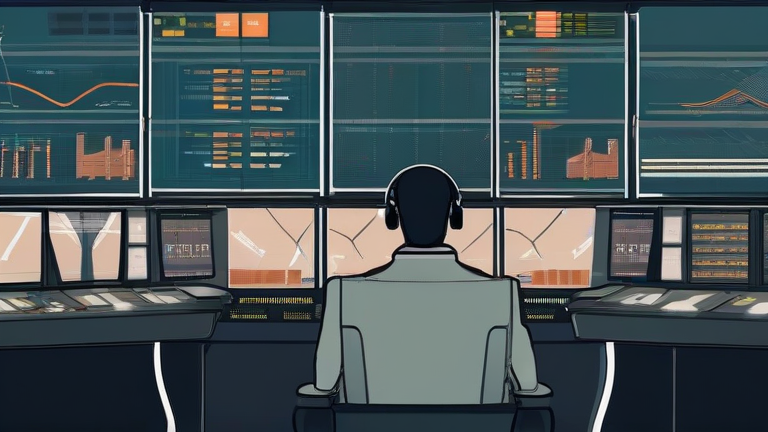
TL;DR: No, AI will not fully replace human air traffic controllers in the foreseeable future, as human judgment remains critical for safety and complex decision-making. Instead, AI will serve as a powerful augmentative tool to reduce cognitive load, allowing controllers to focus on high-level strategic oversight and emergency management.
Will AI Replace Air Traffic Control? The Future of ATC

The aviation industry stands at a technological precipice, where the integration of Artificial Intelligence (AI) into Air Traffic Control (ATC) systems is no longer a sci-fi fantasy but an imminent reality. However, the narrative that machines will simply swap out human controllers is fundamentally flawed. Aviation safety relies on a intricate dance of real-time variables, unpredictable weather patterns, and mechanical anomalies that require nuanced human intuition. While AI excels at processing vast datasets and optimizing flight paths for fuel efficiency, it currently lacks the contextual awareness necessary to handle rare, high-stakes emergencies.
From a health and wellness perspective, the shift toward AI-augmented ATC offers profound benefits for controller well-being. Modern ATC is notoriously high-stress, leading to chronic fatigue, burnout, and long-term cognitive decline among professionals. By automating routine monitoring and routine communication tasks, AI can significantly reduce the cognitive load on human operators. This reduction in mental strain allows controllers to maintain sharper focus during critical moments, thereby improving both their mental health and operational safety. Studies in occupational health suggest that tools which alleviate mental exhaustion can extend career longevity and improve overall quality of life for high-pressure workers.
Furthermore, the lifestyle implications of this technological shift are significant. As AI handles more of the repetitive data entry and basic vectoring, controllers can engage in more strategic planning and collaborative problem-solving. This change promotes a healthier work environment by reducing the monotony that often contributes to job dissatisfaction. It also encourages continuous learning and skill development, as professionals adapt to managing AI systems rather than just monitoring radar screens.
The future of ATC is not about replacement, but about collaboration. Humans provide the ethical reasoning and creative solutions, while AI provides the computational power and precision. This symbiotic relationship ensures that aviation remains safe, efficient, and sustainable. As we move forward, regulatory bodies must ensure that these technologies are implemented with rigorous testing and human-centric design principles. The goal is to create a system where technology empowers humans, rather than rendering them obsolete. By embracing this partnership, the aviation industry can set a new standard for safety and worker well-being, proving that the best solutions often lie in the synergy between biological intelligence and artificial computation.
FAQ
Q: Will AI completely take over air traffic control jobs?
A: No, AI will not completely take over jobs; it will augment human controllers by handling routine tasks while humans manage complex scenarios and emergencies.
If you want to dig deeper, check out our guide on 10 Essential Health Tips for a Better Life.
Q: How does AI improve the health of air traffic controllers?
A: AI reduces cognitive load and mental fatigue by automating repetitive monitoring tasks, which helps prevent burnout and improves long-term mental health.
Q: What skills will air traffic controllers need in the future?
A: Controllers will need strong analytical skills, the ability to manage AI systems, and enhanced decision-making capabilities for handling unexpected emergencies.
Leave a Reply