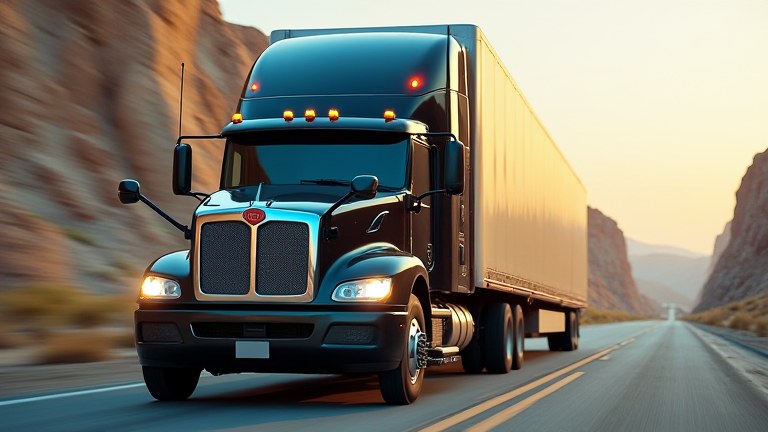
TL;DR: The International Brotherhood of Teamsters has filed a lawsuit challenging California’s new regulations regarding self-driving trucks, arguing that the rules inadequately protect driver jobs and public safety. This legal battle highlights the growing tension between technological innovation in the logistics sector and the traditional workforce’s demand for job security.
The introduction of autonomous semi-trucks on California’s highways represents a significant shift in the logistics industry, promising efficiency and reduced carbon footprints. However, this technological leap has sparked intense debate, culminating in a high-stakes legal challenge from one of the nation’s most powerful labor unions. The Teamsters’ lawsuit is not merely a protest; it is a comprehensive critique of the regulatory framework that allows these vehicles to operate with minimal human oversight. For fleet operators and tech companies, understanding the nuances of this legal landscape is crucial for future planning and compliance. The core of the dispute centers on the definition of “safety” and the economic viability of human drivers in an increasingly automated market.
If you want to dig deeper, check out our guide on 10 Proven Business Growth Strategies to Scale Your Company F.
Feature Highlights of the New Regulatory Framework
The regulations being challenged aim to balance innovation with safety. Key features include mandatory remote monitoring capabilities, strict speed limitations in urban areas, and detailed reporting requirements for any incidents involving autonomous systems. These measures are designed to ensure that while machines handle the driving, humans remain in the loop for complex decision-making.  The framework also introduces new insurance requirements tailored to the unique risks associated with AI-driven vehicles, shifting the liability burden away from individual drivers and onto the technology providers. This shift is intended to accelerate adoption by reducing financial risks for fleet owners, but critics argue it leaves human workers vulnerable.
Comparison with Federal Standards
When compared to federal guidelines, California’s approach is notably more restrictive. While the Department of Transportation encourages state-level experimentation, it generally favors a lighter regulatory touch to foster innovation. California’s strictures, however, prioritize labor protections and localized safety concerns. This divergence creates a patchwork of compliance challenges for national carriers who must navigate different rules in different states. The Teamsters argue that California’s rules are both too loose on safety and too harsh on employment, creating a contradictory environment that stifles both progress and livelihoods. Other states have taken different approaches, with some embracing autonomous tech with open arms and others imposing moratoriums, highlighting the lack of a unified national strategy.
Implications for the Industry
The outcome of this lawsuit will set a precedent for how states regulate emerging technologies. A victory for the Teamsters could lead to stricter oversight nationwide, potentially slowing the adoption of self-driving trucks. Conversely, a loss for the union might accelerate automation, forcing workers to adapt quickly to new roles in vehicle maintenance or remote operations. For investors and tech firms, this legal uncertainty adds a layer of risk that must be carefully managed. The industry is at a crossroads, where the balance between efficiency and equity is being tested in the courtroom. Companies must prepare for both scenarios, ensuring their operational strategies are resilient to regulatory changes. Engaging with stakeholders, including unions and community groups, is essential for sustainable growth in this evolving sector.
To stay informed about the latest developments in autonomous vehicle regulations and their impact on the logistics industry, subscribe to our weekly newsletter. Join thousands of industry professionals who receive actionable insights and expert analysis directly in their inbox. Don’t miss out on critical updates that could shape your business strategy. Sign up today to receive exclusive reports on regulatory trends and technological breakthroughs.
FAQ
Q: Why are the Teamsters suing over the new rules?
A: They argue the regulations fail to adequately protect driver jobs and do not ensure sufficient safety standards for public roads.
Q: What are the key features of California’s self-driving truck rules?
A: The rules mandate remote monitoring, urban speed limits, incident reporting, and specific insurance requirements for autonomous vehicle operators.
Q: How do these state rules compare to federal guidelines?Related Articles
Leave a Reply