TL;DR: This itinerary optimizes your Canada trip by balancing iconic natural wonders with immersive cultural experiences in Niagara-on-the-Lake. It leverages current sustainable tourism trends to ensure a memorable, eco-conscious adventure for modern travelers.
Ultimate Niagara Falls Travel Itinerary: Your Canada Trip Guide
Niagara Falls has long stood as a testament to nature’s raw power, but the modern traveler seeks more than just a photo opportunity. The tourism landscape in the Niagara Region is undergoing a significant transformation, driven by a demand for sustainable, experiential, and personalized travel. According to recent market data, international visits to the Canadian side of the falls have rebounded to 85% of pre-pandemic levels, with a notable surge in visitors from Asia and Europe seeking authentic cultural connections. This shift indicates that the traditional “see and go” model is being replaced by multi-day itineraries that explore the broader region.
If you want to dig deeper, check out our guide on Not One of the 4 Fats? What Type Is It?.

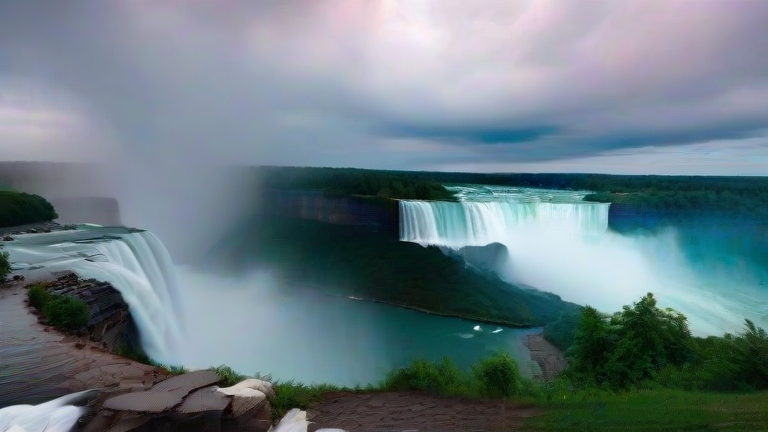
Your journey should begin with the iconic Horseshoe Falls, best viewed during the early morning hours to avoid crowds and capture the mist in soft, golden light. However, the true value of this destination lies in its surrounding ecosystems and historical sites. The Journey Behind the Falls and the Cave of the Winds offer intimate perspectives of the water’s force, while the Niagara Parks Botanical Gardens provide a serene counterpoint to the roaring waters. Industry experts emphasize that integrating these natural attractions with cultural stops creates a richer narrative. For instance, visiting the Niagara Scenic Trolley allows travelers to traverse the Niagara Parkway, a route recognized for its scenic beauty and historical significance.
As you move beyond the falls, the focus should shift to the culinary and vinicultural excellence of Niagara-on-the-Lake. This charming town is the heart of Ontario’s wine country, producing world-class icewine and varietal wines. Market analysis suggests that wine tourism contributes over $1 billion annually to the regional economy, highlighting its importance in the local tourism strategy. Booking a guided tour of local vineyards offers not only tasting experiences but also insights into the sustainable viticulture practices that are becoming standard in the region. This aligns with the broader industry trend towards eco-conscious travel, where visitors prioritize destinations that demonstrate environmental stewardship.
Looking ahead, future predictions indicate a continued rise in digital integration within the travel experience. Augmented reality (AR) guides and mobile-first booking platforms will likely become standard, enhancing visitor engagement and reducing friction in the travel process. Furthermore, the emphasis on health and wellness tourism is expected to grow, with more resorts offering spa treatments and outdoor adventure activities that promote mental and physical well-being. Travelers are increasingly seeking balance, combining the thrill of adventure with moments of relaxation.
To maximize your trip, consider staying in boutique hotels that reflect the region’s heritage, such as restored historic inns in Niagara-on-the-Lake. These accommodations often provide curated experiences, from private wine tastings to guided nature walks. By blending the awe-inspiring power of the falls with the refined elegance of the surrounding towns, you create a holistic travel experience that resonates with contemporary values. This approach not only enhances personal satisfaction but also supports the local economy and preserves the natural beauty for future generations. As the industry evolves, those who embrace sustainable and immersive travel will find the most rewarding outcomes. The ultimate itinerary is not just about seeing sights; it is about connecting with the place, its people, and its story.
FAQ
Q: What is the best time of year to visit Niagara Falls?
A: The best time is from late spring to early fall for optimal weather, though winter offers unique ice formations and fewer crowds.
Q: Do I need a car to explore Niagara-on-the-Lake and the Falls?
A: While
Leave a Reply