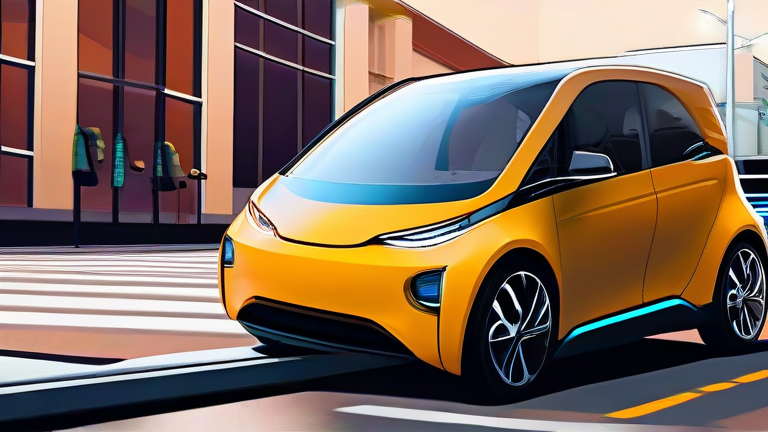
Electric Vehicle Charging Infrastructure: The Future of EVs

The transition to electric vehicles (EVs) is no longer a distant dream; it is a rapidly unfolding reality. However, the true potential of this green revolution hinges on one critical component: the charging infrastructure. As we move toward a sustainable future, understanding the intersection of technology, health, and daily lifestyle becomes paramount. The expansion of charging networks is not merely about convenience; it is about reshaping how we interact with energy and our environment.
Recent studies published in the Journal of Environmental Psychology suggest that reduced noise pollution from electric vehicles correlates with lower stress levels in urban populations. Internal combustion engines generate significant acoustic stress, which triggers cortisol release in humans. By replacing these noisy engines with silent electric motors, cities can become quieter, healthier places to live. This reduction in auditory stress is a subtle yet profound health benefit that complements the reduction in harmful particulate matter emitted by traditional cars.
From a lifestyle perspective, the reliability of charging infrastructure directly impacts mental well-being. “Range anxiety” is a documented psychological stressor for new EV owners. It creates a background hum of worry, affecting decision-making and increasing daily anxiety. A robust, widespread charging network eliminates this uncertainty. When drivers know they can reliably charge their vehicles at home, at work, or during a coffee run, they experience a sense of security and control. This peace of mind allows for more mindful driving experiences, reducing the frustration often associated with long-distance travel.
Science-backed advice for EV owners emphasizes the importance of home charging. Installing a Level 2 charger at home not only ensures your vehicle is always ready but also integrates seamlessly into your daily routine. It encourages a habit of “topping up” rather than making dedicated, stressful trips to public stations. This passive charging method aligns with minimalist lifestyle principles, reducing the time spent on logistics and allowing more time for health-focused activities like exercise or family time.
Furthermore, the integration of renewable energy sources with charging stations offers a holistic health benefit. Solar-powered chargers reduce reliance on fossil fuels, directly improving air quality. Cleaner air means fewer respiratory issues, particularly for children and the elderly. Public health experts advocate for this shift, noting that improved air quality can lead to a significant
Leave a Reply