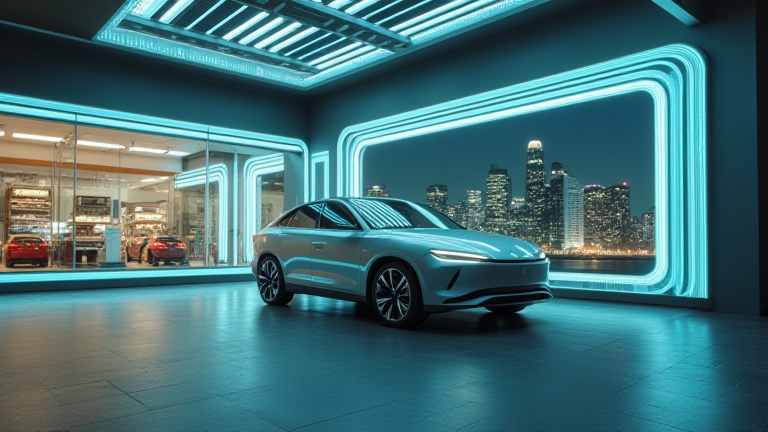
TL;DR: EV charging infrastructure is expanding rapidly, offering drivers more convenience and flexibility than ever before. To navigate this growing network effectively, you should familiarize yourself with different charger types, payment methods, and planning tools to ensure seamless travel.
Navigating the Growing Network
The landscape of electric vehicle ownership is changing dramatically as charging stations become ubiquitous in urban centers, highway rest stops, and even residential complexes. This expansion alleviates range anxiety and makes long-distance travel significantly more viable for everyday drivers. However, with so many options available, knowing how to access these resources efficiently is crucial for a stress-free experience. This guide will walk you through the essential steps to master the new era of EV charging.
If you want to dig deeper, check out our guide on Lab-Grown Meat Hits Cost Parity With Beef.

Step-by-Step Charging Guide
First, download a reliable navigation app that integrates real-time charging station data. These apps provide critical information such as charger availability, speed, and compatibility with your specific vehicle model. Before you leave home, plan your route by marking necessary charging stops, especially if you are traveling long distances or through rural areas where infrastructure might be sparse. Most modern apps allow you to reserve a charger, ensuring you do not arrive to find all spots occupied.
Once you arrive at a station, check the connector type. Level 2 chargers use J1772 connectors in North America, while DC fast chargers typically use CCS or CHAdeMO ports. Ensure your cable matches your car’s inlet. Plug in the connector securely and wait for the charging session to begin. Some networks require you to use a specific RFID card or mobile app to initiate the charge, so have your preferred payment method ready before you plug in.
While charging, you can often monitor progress through your vehicle’s dashboard or the station’s display. Try to avoid keeping your car plugged in longer than necessary after the battery is full, as some stations impose idle fees to encourage turnover. Always unplug the cable gently and return it to its designated holder. Finally, review your receipt via the app to ensure you were charged correctly and leave feedback for other users regarding the station’s condition.
Pro Tips for Smooth Charging
Always check if a membership plan is cost-effective for your driving habits. Many networks offer monthly subscriptions that reduce per-kWh rates significantly. Additionally, keep a portable charging cable in your trunk for emergency situations where standard stations are unavailable. Lastly, communicate politely with other drivers if there is a wait, as community etiquette helps maintain these vital resources for everyone.
FAQ
Q: How long does it take to charge an EV?
A: Charging times vary significantly based on the charger type and battery size, ranging from 30 minutes for a fast charge to several hours for a full Level 2 charge.
Q: Can I charge my EV at home?
A: Yes, most EV owners install Level 2 chargers at home for overnight charging, which is convenient and often cheaper than public stations.
Q: What should I do if a charger is not working?
A: Report the issue immediately through the charging network’s app or website so that maintenance teams can address the problem promptly.
Leave a Reply