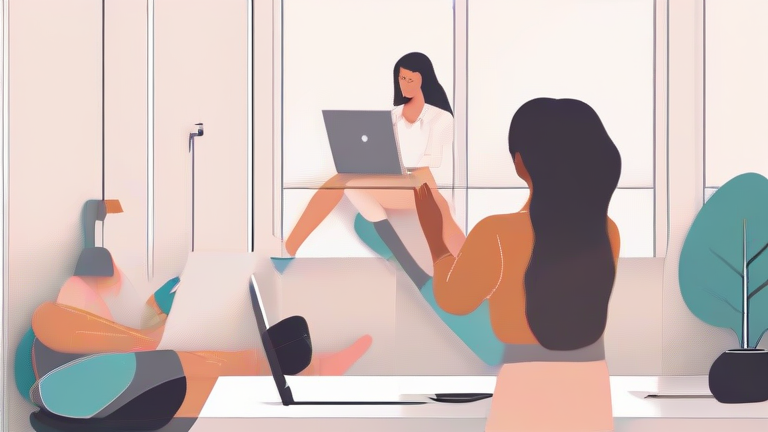
Shift to Hybrid Work: New Remote Work Flexibility Models
The traditional nine-to-five grind is fading, replaced by a dynamic era where work and life are no longer siloed but interwoven. The shift to hybrid work is not merely about choosing between an office cubicle or a home desk; it is about reclaiming agency over how, where, and when we produce our best work. This new flexibility model offers a profound opportunity for personal growth, allowing professionals to design a lifestyle that prioritizes mental well-being alongside professional ambition.
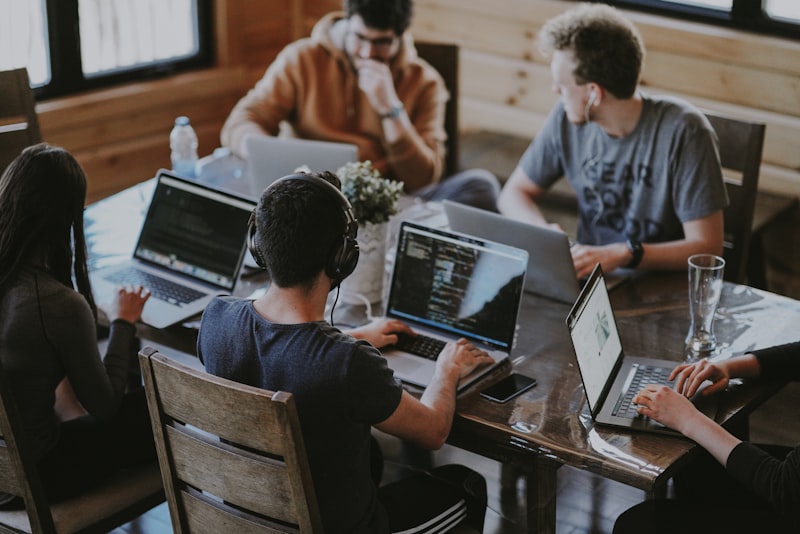
For many, the most significant benefit of hybrid arrangements is the ability to integrate travel into their professional lives. The concept of “workation” has evolved from a luxury trend to a viable productivity strategy. Imagine spending your mornings in a quiet café in Lisbon, attending video calls in the afternoon from a co-working space in Bali, and exploring local markets in the evening. This model breaks the monotony of routine, stimulating creativity through new environments and cultural immersion. By decoupling work from a fixed geographic location, employees can experience personal growth through the lens of global citizenship, fostering adaptability and open-mindedness.
If you want to dig deeper, check out our guide on Quantum Computing Hits Commercial Error Correction Milestone.
Furthermore, this flexibility extends to our relationship with food and community. Without the constraint of a daily commute, individuals have the time to explore local culinary scenes, cook nutritious meals, and engage with their immediate neighborhoods. The hybrid worker often becomes an active participant in their local culture, supporting small businesses and forming connections that a purely remote or purely office-based schedule might preclude. This balance prevents the isolation that often accompanies full-time remote work while offering the autonomy that defines the digital nomad lifestyle.
However, successful hybrid living requires intentional boundary-setting. It demands discipline to remain productive in diverse settings and the emotional intelligence to communicate effectively across time zones. Companies are increasingly recognizing that trust, rather than surveillance, is the cornerstone of this new model. When organizations support this shift, they empower employees to find their optimal rhythm.
<p
Leave a Reply