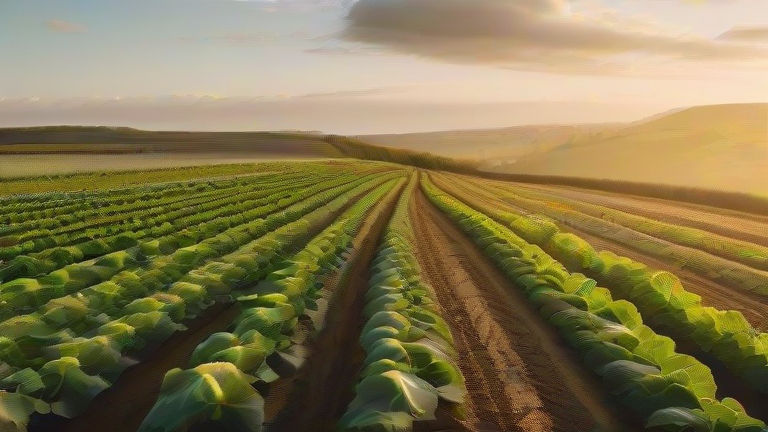
Regenerative Agriculture Goes Mainstream: Key Trends & Impact
Imagine stepping off a high-speed train in the rolling hills of Tuscany or a quiet valley in Vermont. The air is crisp, smelling not of exhaust, but of damp earth and blooming wildflowers. This is not a scene from a dystopian future, but a rapidly emerging reality. Regenerative agriculture, once the niche obsession of fringe farmers, is now stepping into the global spotlight, reshaping how we eat, travel, and connect with the planet. It is no longer just about sustainability—maintaining the status quo—but about restoration, actively healing the land to improve its fertility and biodiversity.

If you want to dig deeper, check out our guide on Lab-Grown Meat Hits Mainstream Supermarkets.
The core philosophy is simple yet profound: treat soil as a living ecosystem rather than a sterile substrate for plant growth. By eliminating tillage, covering crops, and integrating livestock, farmers are sequestering carbon, retaining water, and boosting microbial life. For the conscious consumer, this shift offers a tangible way to participate in climate action through daily choices. The impact extends far beyond the farm gate. It influences the nutritional density of our food, the resilience of our food systems against extreme weather, and the economic stability of rural communities.
Food culture is undergoing a significant transformation driven by these practices. Chefs and home cooks alike are prioritizing ingredients grown in regenerated soils, recognizing that nutrient-rich soil yields nutrient-rich food. Farmers’ markets and farm-to-table restaurants are increasingly highlighting the stories behind their ingredients, connecting diners with the farmers who are stewards of the land. This transparency fosters a deeper appreciation for the labor and ecological care involved in producing our meals. We are moving away from anonymous, industrial produce toward a food system that values quality, flavor, and ecological integrity.
Travel is also adapting to this new paradigm. Eco-tourism is evolving into “agri-tourism 2.0,” where travelers don’t just observe farms but engage with regenerative practices. Farm stays, harvest festivals, and educational tours allow visitors to witness firsthand how diverse crops and healthy livestock contribute to a thriving ecosystem. These experiences offer a profound sense of personal growth, grounding individuals in the
Leave a Reply