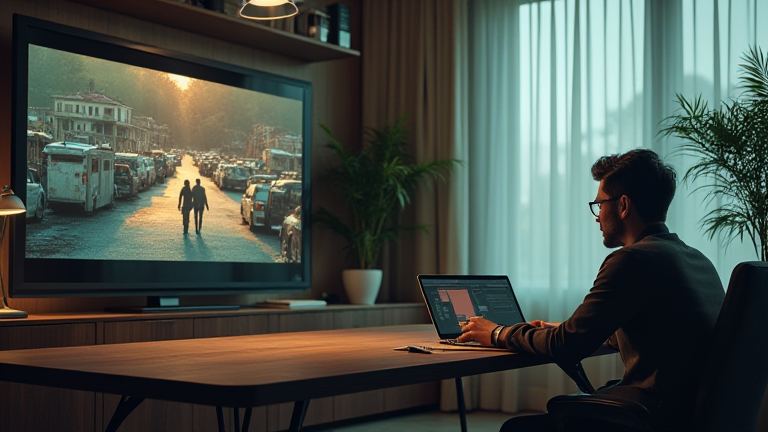
TL;DR: Remote work has evolved from a temporary pandemic response to a permanent standard because it fundamentally decouples productivity from physical presence, offering unparalleled flexibility for global lifestyles. This shift allows professionals to design lives that prioritize personal growth and cultural immersion over traditional geographic constraints.
The Digital Nomad Renaissance
The modern workforce is no longer bound by the nine-to-five office cubicle. Instead, it is expanding into co-working spaces in Bali, cafes in Lisbon, and mountain lodges in Colorado. This phenomenon is not merely about working from home; it is about working from anywhere. The permanence of remote work is driven by a fundamental change in how value is created. Companies now prioritize output and results over hours logged in a chair. This liberation from physical location has sparked a renaissance in the digital nomad lifestyle, where travel and work are seamlessly integrated.
If you want to dig deeper, check out our guide on Best Ergonomic Office Chairs for Back Pain Relief in 2024.

Culinary Exploration as Daily Routine
One of the most significant benefits of this new standard is the ability to engage deeply with local food cultures. When you live in a city for a month rather than visiting for a weekend, you move beyond tourist traps. You discover the best local markets, learn to cook regional dishes, and understand the culinary history of your host community. Imagine spending your mornings hunting for fresh seafood in a Portuguese market and your afternoons coding while the scent of grilled sardines fills the air. This immersive experience enriches your personal identity and broadens your palate in ways that traditional tourism never could.
Cultural Immersion and Personal Growth
Living remotely in different cultures fosters profound personal growth. You become more adaptable, resilient, and empathetic. Navigating a new country’s bureaucracy, learning basic phrases in a foreign language, and adapting to different social norms challenge your comfort zones. This constant state of mild discomfort is where growth happens. You learn to solve problems creatively and communicate across barriers. These skills are not just life skills; they are professional assets. Employers increasingly value candidates who demonstrate cultural agility and independence. The remote work standard thus becomes a catalyst for becoming a more well-rounded, globally minded individual.
The Sustainability of the Model
Furthermore, remote work reduces the carbon footprint associated with daily commuting and business travel. It allows people to settle in smaller, less congested towns, revitalizing local economies outside major metropolitan hubs. This decentralization is sustainable and desirable for many. It balances the intense pace of city life with the tranquility of nature. As technology improves, with faster internet and better collaboration tools, the logistical hurdles of remote work continue to vanish. The infrastructure of the future is digital, not physical.
FAQ
Q: Is remote work suitable for all industries?
A: While tech and creative fields lead the way, many sectors including education, healthcare administration, and finance are adopting hybrid or fully remote models for specific roles.
Q: How can I ensure I remain productive while traveling?
A: Establish a consistent daily routine, designate a specific workspace, and use time-blocking techniques to separate work hours from exploration time.
Q: What are the tax implications of working remotely from another country?
A: Tax laws vary significantly by jurisdiction; it is crucial to consult with a tax professional to understand residency requirements and double-taxation treaties in your host country.
Leave a Reply