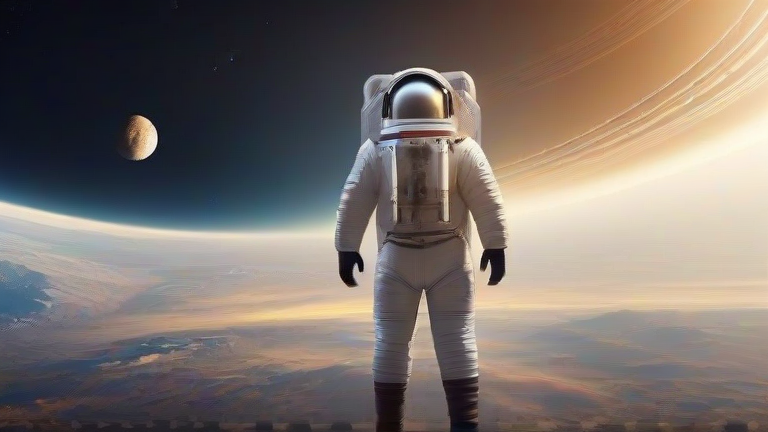
TL;DR: Space tourism is not yet affordable for the middle class, with current prices remaining prohibitively high at hundreds of thousands of dollars per ticket. However, aggressive cost-reduction strategies by major aerospace firms suggest that suborbital flights may enter the upper-middle-class market within the next decade.
The High Cost of Gravity Escape
The dream of viewing Earth from space has long been the exclusive privilege of the ultra-wealthy. Currently, a seat on a Virgin Galactic or Blue Origin flight costs between $450,000 and $1.2 million. This price point places space travel firmly in the realm of luxury tourism, akin to buying a superyacht or a private island. For the average middle-class household, earning a median income of roughly $70,000 annually, saving for such an experience would require decades of dedicated financial sacrifice. The market is currently defined by scarcity and exclusivity, driving up prices through limited supply and high operational costs.
If you want to dig deeper, check out our guide on Quantum Computing Hits Major Error-Correction Milestone.
Market Analysis: The Path to Democratization

Despite the current high barriers to entry, the trajectory of the industry suggests a significant shift. The key driver is the development of reusable rocket technology. Companies like SpaceX and Rocket Lab are pioneering fully reusable orbital launch systems. Historically, the cost of launching payload to Low Earth Orbit (LEO) was approximately $20,000 per kilogram. With reusable boosters, this figure has dropped dramatically, with projections suggesting a future cost of under $1,000 per kilogram. This reduction in marginal cost is the economic engine that will eventually lower ticket prices. Market analysts predict that as launch frequency increases and economies of scale kick in, the price per seat could drop by an order of magnitude within the next ten to fifteen years.
Strategic Insights: How Costs Will Drop
Aerospace firms are adopting two primary strategies to make space accessible. First is the standardization of spacecraft interiors. By treating space travel more like commercial aviation, companies can streamline operations, reduce maintenance time, and increase flight frequency. Second is the development of space hotels and orbital stations. These facilities will create recurring revenue streams that offset the high initial capital expenditure of launch vehicles. Furthermore, competition is intensifying. With numerous private players entering the market, price wars are inevitable, further driving down costs for consumers.
Case Studies: Pioneers of Access
Virgin Galactic has successfully completed several commercial test flights, proving the viability of suborbital tourism. Their model focuses on frequent, shorter flights that appeal to thrill-seekers rather than long-duration orbital stays. Meanwhile, SpaceX’s Starship program aims to revolutionize interplanetary travel but also offers a pathway to affordable orbital tourism through its massive payload capacity. By carrying dozens of passengers at once, Starship can spread fixed costs across a larger customer base, theoretically bringing ticket prices down to a level comparable to a luxury car or a high-end vacation home in the distant future.
FAQ
Q: When will space tourism be affordable for the middle class?
A: Most experts predict that suborbital flights may become affordable for the upper-middle class within 10-15 years, while orbital tourism could take 20-30 years to reach mainstream pricing.
Q: What technology is primarily responsible for reducing costs?
A> Reusable rocket boosters and spacecraft are the key technologies, as they eliminate the need to build new vehicles for every single launch, significantly lowering operational expenses.
Q: Are there any intermediate options for aspiring space tourists?
A: Yes, zero-gravity flights offered by companies like Zero Gravity Corporation provide an affordable alternative for experiencing weightlessness for a fraction of the cost of a space launch.
Leave a Reply