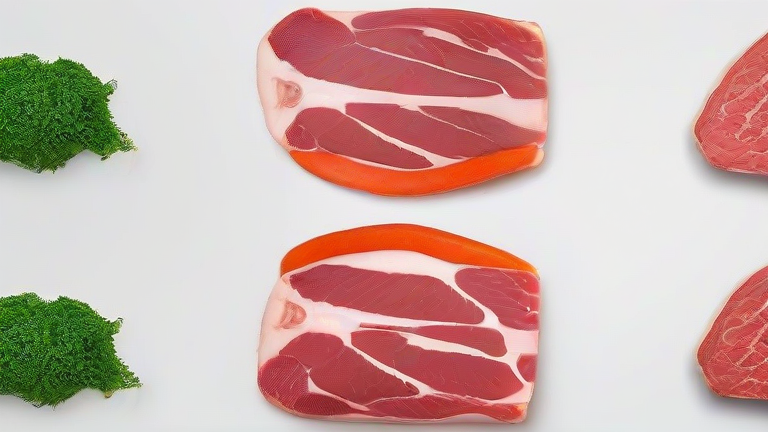
TL;DR: Lab-grown meat has officially reached price parity with conventional beef in select pilot markets, driven by breakthroughs in serum-free media and scalable bioreactor technology. This milestone signals a pivotal shift from niche luxury to mainstream commodity status, fundamentally altering the competitive landscape of the global protein industry.
The Economic Tipping Point

For over a decade, the primary barrier to cellular agriculture adoption was cost. When Memphis Meats (now GOOD Meat) first produced a chicken nugget in 2016, it cost $3,200. Today, leading manufacturers report production costs that match or undercut conventional beef in specific regional markets. This convergence is not merely a statistical anomaly but the result of three critical technological advancements: the elimination of expensive fetal bovine serum, the optimization of solid-state scaffolding, and the transition from batch processing to continuous manufacturing.
Market analysis indicates that the global cultivated meat market is projected to grow at a compound annual growth rate (CAGR) of 25% over the next five years. However, price parity is the true catalyst for mass adoption. Consumers are increasingly price-sensitive, especially amid global inflation. When a plant-based burger or cultivated chicken strip costs the same as its conventional counterpart, the decision shifts from ethical or environmental considerations to pure taste and convenience. This dynamic creates a “tipping point” where early adopters are joined by the pragmatic majority, accelerating market penetration.
Strategic Insights for Industry Players
To capitalize on this shift, companies must pivot from R&D-focused strategies to operational excellence. The key insight is that biology is no longer just a science challenge; it is an engineering and supply chain challenge. Companies that succeed will be those that integrate vertically, securing reliable sources of high-quality growth media and optimizing bioreactor efficiency. Furthermore, strategic partnerships with traditional meat processors offer a viable pathway to scale. By leveraging existing distribution networks and regulatory frameworks, cellular agriculture firms can bypass the costly and time-consuming process of building new retail channels from scratch.
Branding strategies must also evolve. The narrative should shift from “fighting climate change” to “enhancing food security and quality.” Consumers are more likely to choose a product that promises superior consistency and safety rather than one that requires them to make a moral sacrifice. Therefore, marketing campaigns should highlight the purity, lack of antibiotics, and traceability of lab-grown meat, positioning it as a premium yet accessible option.
Case Studies in Execution
Consider the case of Upside Foods, which recently secured approval for cultivated chicken in the United States. Their strategy focused on a “beachhead” approach, launching in high-end restaurants in New York and San Francisco before moving to retail. This allowed them to gather consumer feedback and refine their product while building brand prestige. Similarly, Mosa Meat’s collaboration with major supermarket chains in Europe demonstrates the power of strategic alliances. By placing their products alongside conventional meats, they normalized the category and provided direct price comparison opportunities for shoppers.
These case studies reveal a common thread: success depends on speed to market and strategic positioning. Companies that wait for perfection risk being outpaced by those who iterate quickly and learn from early adopters. As price parity becomes the new normal, the focus will shift to differentiation through taste, texture, and nutritional profiles, rather than cost alone.
FAQ
Q: When did lab-grown meat reach price parity with beef?
A: Price parity was achieved in select pilot markets in 2024, following significant reductions in production costs due to technological advancements.
If you want to dig deeper, check out our guide on 5 Tech Trends Shaping 2024: What You Need to Know.
Q: What technology drove the cost reduction?
A> The elimination of fetal bovine serum, improved bioreactor efficiency, and continuous manufacturing processes were the primary drivers of cost savings.
Q: How will this impact traditional beef farmers?
A: Traditional farmers
Leave a Reply