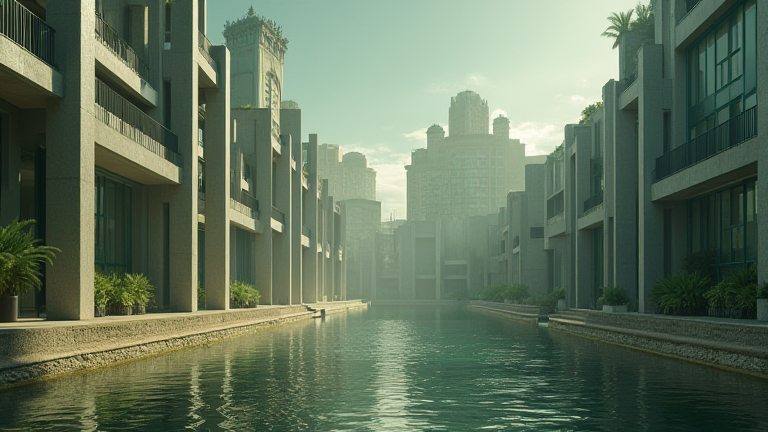
TL;DR: Climate adaptation transforms green real estate from a niche luxury into a vital community asset by enhancing resilience against extreme weather and reducing long-term operational costs. This shift creates sustainable living environments that prioritize health, comfort, and economic stability for residents while preserving local ecosystems.
Resilient Retreats: The New Normal
Imagine waking up not to the sound of sirens or the stress of rising utility bills, but to the gentle rustle of wind through drought-resistant native gardens. This is the reality of modern climate-adaptive real estate, a sector that is rapidly redefining what it means to live well in an era of environmental uncertainty. We are moving beyond the era where “green” simply meant energy-efficient lightbulbs. Today, it signifies a holistic approach to architecture and urban planning that anticipates and withstands the changing climate. For the modern traveler and the mindful homeowner, this represents a profound opportunity to engage with spaces that are not just shelters, but active participants in ecological preservation.
If you want to dig deeper, check out our guide on Sustainable Fashion Drives the Circular Economy.

A Cultural Shift Toward Sustainability
Culture is increasingly influencing where and how we choose to live. There is a growing movement among urban dwellers to seek out communities that prioritize sustainability, not as a marketing gimmick, but as a core operational value. These neighborhoods often feature permeable pavements that manage stormwater, vertical gardens that improve air quality, and shared community spaces that foster social cohesion. This cultural shift is evident in the rise of “climate-positive” developments, where buildings generate more energy than they consume and actively contribute to local biodiversity. For the personal growth enthusiast, living in such an environment offers a daily reminder of our interconnectedness with nature, encouraging mindful consumption and a deeper appreciation for the resources we use.
Food and Local Connection
The integration of agriculture into real estate is another key driver of this trend. Rooftop farms and ground-level community gardens are becoming standard features in adaptive buildings. This proximity to fresh, locally grown produce reduces carbon footprints associated with food transportation and strengthens local food systems. Residents enjoy the benefits of farm-to-table freshness, connecting directly with the source of their nutrition. This trend supports local farmers and reduces the environmental impact of traditional supply chains, creating a circular economy within the community. It transforms the act of eating into a conscious, sustainable practice that benefits both personal health and the planet.
Conclusion
Climate adaptation in real estate is no longer a futuristic concept; it is the present standard for responsible living. By investing in resilient infrastructure, sustainable materials, and community-focused designs, developers are creating spaces that protect inhabitants from climate risks while enhancing their quality of life. This approach ensures that our homes remain safe, efficient, and harmonious with the natural world for generations to come.
FAQ
Q: What is climate adaptation in real estate?
A: It refers to designing and modifying buildings to withstand and recover from climate-related impacts like floods, heatwaves, and storms.
Q: How does green real estate benefit personal health?
A: It improves indoor air quality, reduces exposure to toxins, and promotes physical activity through accessible green spaces and walkable communities.
Q: Are climate-adaptive homes more expensive?
A: While initial costs may be higher, long-term savings on utilities, maintenance, and insurance often outweigh the upfront investment, making them cost-effective over time.
Leave a Reply