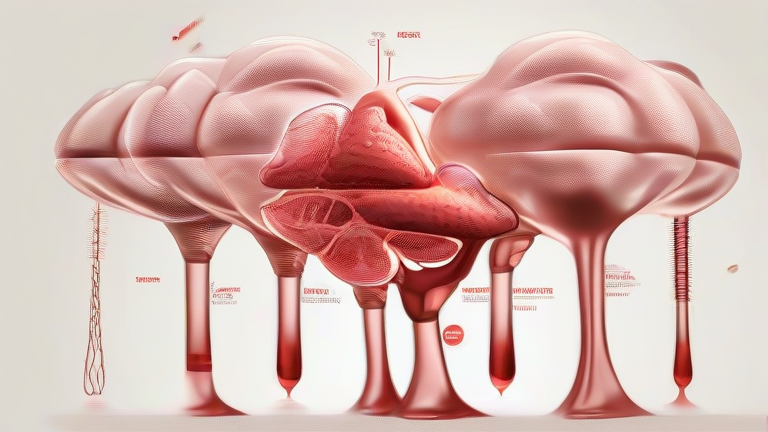
CRISPR Cures Inherited Blood Disorders: Hope for Patients
For decades, inherited blood disorders like sickle cell disease and beta-thalassemia have been considered manageable but incurable conditions. Patients often faced a lifetime of painful crises, chronic anemia, and frequent hospitalizations. However, a revolutionary breakthrough in gene editing technology, specifically CRISPR-Cas9, has changed the landscape of hematology forever. This article explores how this scientific marvel is offering genuine hope and what patients can do to support their overall wellness during treatment journeys.

CRISPR, which stands for Clustered Regularly Interspaced Short Palindromic Repeats, acts as molecular scissors. It allows scientists to precisely locate and edit specific sequences of DNA within a patient’s own stem cells. In the case of sickle cell disease, the goal is to reactivate the production of fetal hemoglobin, which prevents red blood cells from sickling. Clinical trials have shown remarkable success, with many patients becoming free of vaso-occlusive crises for extended periods. This is not just a symptom management strategy; it is a potential functional cure.
If you want to dig deeper, check out our guide on How AI Agents Manage Your Finances and Schedule Autonomously.
While the science is groundbreaking, the journey to recovery involves more than just the procedure. Patients undergoing gene therapy often require chemotherapy to prepare their bone marrow for the new, edited cells. This intensive process can be physically and emotionally taxing. Therefore, integrating robust health and wellness practices is crucial. Nutrition plays a pivotal role in supporting bone marrow recovery. A diet rich in iron, folate, vitamin B12, and lean proteins helps replenish red blood cells and supports overall immune function. Hydration is equally critical, as it helps maintain blood viscosity and reduces the risk of further complications.
Lifestyle Tips for Post-Therapy Wellness
Recovery from gene therapy is a marathon, not a sprint. Patients are advised to adopt a gradual exercise routine that balances rest with activity. Low-impact activities like walking, swimming, or gentle yoga can improve circulation and reduce stress without overexerting the body. Stress management techniques, such as mindfulness meditation and deep breathing exercises, are also essential. Chronic stress can weaken the
Leave a Reply