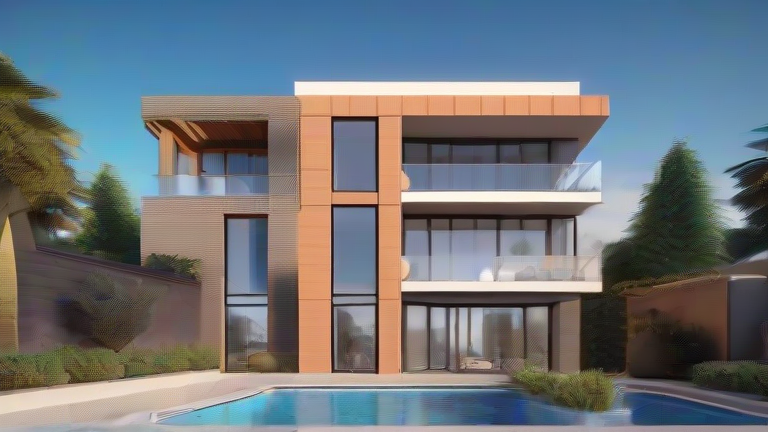
Metaverse Real Estate Stabilizes: Market Update & Outlook
The virtual property market, once defined by speculative mania and exorbitant price tags, is undergoing a significant structural correction. After the explosive growth of 2021, where digital land parcels in platforms like Decentraland and The Sandbox sold for millions, the sector is now entering a phase of stabilization. This shift marks a crucial transition from hype-driven investment to utility-focused development, signaling a more mature and sustainable ecosystem for future stakeholders.

Recent market data indicates a clear plateau in transaction volumes and average sale prices. According to recent analytics from DappRadar, monthly trading volumes for virtual land have decreased by approximately 60% compared to the peak periods of early 2022. However, this decline is not necessarily a sign of collapse but rather a consolidation of value. Investors are no longer buying land solely for speculative resale; they are acquiring digital assets to host events, build brands, or create immersive experiences. This shift from passive holding to active usage is driving a new kind of valuation model based on engagement metrics rather than mere scarcity.
If you want to dig deeper, check out our guide on Sustainable Fashion Relies on Lab-Grown Materials.
Industry experts suggest that this stabilization is healthy for the long-term viability of the metaverse. Dr. Elena Ross, a leading analyst in digital asset markets, notes, “The initial bubble was necessary to establish infrastructure and user bases. Now, the market is pruning itself. We are seeing a departure of short-term speculators and the arrival of long-term developers who understand that digital real estate is an extension of physical brand strategy, not just a financial instrument.” This insight highlights the growing alignment between traditional corporate strategies and virtual world expansion.
Looking ahead, the outlook for metaverse real estate is cautiously optimistic. Predictions suggest that value will increasingly concentrate in prime locations with high foot traffic and established community hubs. Platforms that integrate robust creator economies, seamless cross-chain interoperability, and realistic physics engines will likely command premium prices. Furthermore, the integration of augmented reality (AR) and mixed reality (MR) technologies is expected to bridge the gap between digital and physical
Leave a Reply