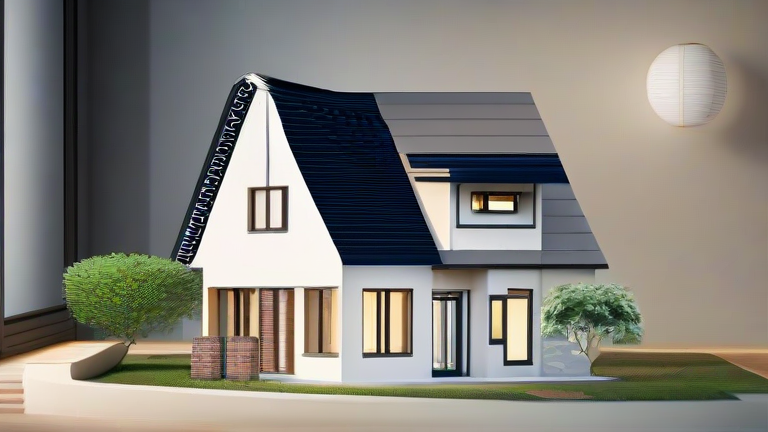
Smart Home Energy Optimization Now Standard

The landscape of residential energy management has undergone a profound transformation in recent years. What was once a luxury niche reserved for tech enthusiasts and early adopters has rapidly evolved into a fundamental expectation for modern homeowners. The integration of artificial intelligence and machine learning into everyday household appliances has made smart home energy optimization not just a convenient add-on, but a standard feature that significantly impacts both utility bills and environmental sustainability.
Today’s leading smart thermostats, energy monitors, and automated lighting systems work in seamless harmony to create an efficient ecosystem. Unlike older models that required manual adjustments or basic scheduling, contemporary devices learn your habits. They analyze occupancy patterns, weather forecasts, and local energy grid demands to automatically adjust heating, cooling, and power consumption. This proactive approach ensures that you are never paying for energy when no one is home, nor are you wasting power during peak pricing hours.
When comparing current market leaders, the difference in sophistication is stark. Older generation devices often functioned in silos, requiring separate apps for lighting, security, and climate control. In contrast, the new standard emphasizes interoperability. A unified hub can now coordinate your smart blinds to close during the hottest part of the day to reduce cooling loads, while simultaneously dimming lights to match natural daylight levels. This holistic management results in an average energy reduction of twenty to thirty percent for participating households, a figure that continues to rise as algorithms become more refined.
Furthermore, the user interface has become increasingly intuitive. Real-time dashboards provide clear insights into where energy is being used, offering actionable recommendations rather than just raw data. For instance, if your refrigerator is consuming unusually high power, the system might alert you to check the door seals or defrost settings. This transparency empowers users to make informed decisions, fostering a culture of conservation that extends beyond mere cost savings.
The environmental impact of adopting these technologies cannot be overstated. By reducing overall energy demand, smart homes contribute to a more stable and sustainable power grid, decreasing reliance on fossil fuels during peak times. As utility companies begin to offer dynamic pricing models, the financial incentive to optimize energy use becomes even more compelling.
Leave a Reply