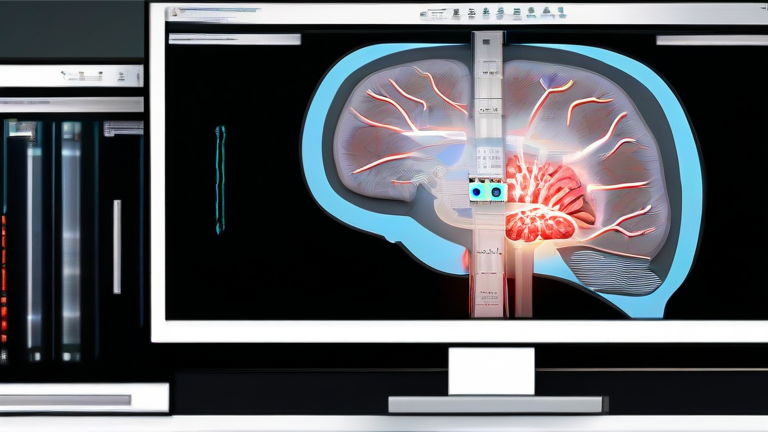
From Neuralink to Noodles: How Brain-Computer Interfaces Are Reshaping Our Daily Rituals
The recent FDA approval of advanced neurotechnology brain-computer interfaces (BCIs) has sent shockwaves through the medical and tech industries, but its ripple effects are poised to touch the most intimate corners of our daily lives. While headlines often focus on restoring mobility to paralyzed patients or treating severe neurological disorders, the true cultural revolution lies in how these devices might redefine our relationship with travel, cuisine, and personal consciousness. As we stand on the precipice of this new era, we must ask: what does it mean to experience the world when the barrier between thought and action dissolves?
Consider the future of travel. Imagine boarding a flight to Kyoto, not just as a passenger, but as an immersive participant in the journey itself. With BCI technology, the anxiety of transit could be mitigated by neural dampening, allowing for deep, restorative sleep during long-haul flights. Upon arrival, the experience shifts from passive observation to active sensory engagement. Instead of merely reading about the history of the Fushimi Inari Shrine, a traveler could access a curated “memory stream” of the site’s cultural significance, overlaying historical data onto their visual field in real-time. This is not science fiction; it is the next evolution of the smart guide, turning every trip into a deeply personalized educational journey that respects both the traveler’s pace and intellectual curiosity.
If you want to dig deeper, check out our guide on Top 10 Trending Topics You Need to Know in 2024.
Culinary culture, too, faces a radical transformation. Food is inherently sensory, relying on taste, smell, texture, and sight. However, for individuals with diminished sensory input due to age or illness, the joy of a meal can be fleeting. BCIs offer a bridge. By stimulating the gustatory cortex directly, these devices could allow users to “taste” a complex French soufflé or a spicy Sichuan dish without the physical act of eating. This technology democratizes gastronomy, allowing food enthusiasts to explore global cuisines in ways previously impossible. It challenges our definition of flavor, suggesting that taste is not just a biological response, but a neural narrative that can be shared, edited, and enhanced.
Leave a Reply