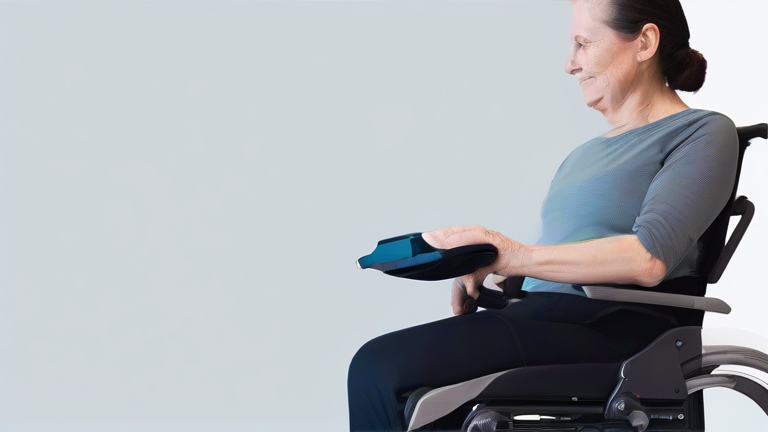
Neural Interfaces Restore Mobility for Paralysis Patients
In a groundbreaking development that blurs the line between biology and technology, recent advancements in neural interfaces have offered hope to millions suffering from paralysis. These devices, capable of bypassing spinal cord injuries to translate brain signals directly into muscle movement, represent a paradigm shift in medical rehabilitation. This review explores the latest generation of these interfaces, examining their efficacy, user experience, and potential to redefine life for those with mobility impairments.
Feature Highlights: Precision and Integration
The core innovation lies in the high-bandwidth, wireless transmission capabilities of these new neural interfaces. Unlike previous generations that required bulky external hardware, modern implants are miniaturized and biocompatible, reducing the risk of immune rejection over time. The system utilizes machine learning algorithms that adapt to the user’s neural patterns in real-time, ensuring smoother and more natural movements. Key features include:
If you want to dig deeper, check out our guide on How Spatial Computing Is Reshaping Digital Advertising.
- Wireless Connectivity: Eliminates the need for percutaneous wires, significantly lowering infection risks.
- Adaptive Algorithms: Continuously learns from user input to refine motor output.
- Non-Invasive Calibration: Simplifies setup for patients and clinicians alike.

Comparative Analysis: A Leap Forward
When compared to traditional physical therapy or older, wired neural stimulators, the latest interfaces demonstrate superior responsiveness. Traditional methods often require years of intensive therapy with limited regain of function. In contrast, these neural interfaces provide immediate feedback loops. For instance, patients reported regaining the ability to grasp objects within weeks of implantation, a milestone that previously took years. Furthermore, the battery life of the new devices exceeds 24 hours on a single charge, a significant improvement over the 4-6 hour limits of earlier models. While competitors still struggle with signal degradation over time, the latest implants maintain consistent performance for up to five years, making them a more viable long-term solution.
User Experience and Challenges
While the technological achievements
Leave a Reply