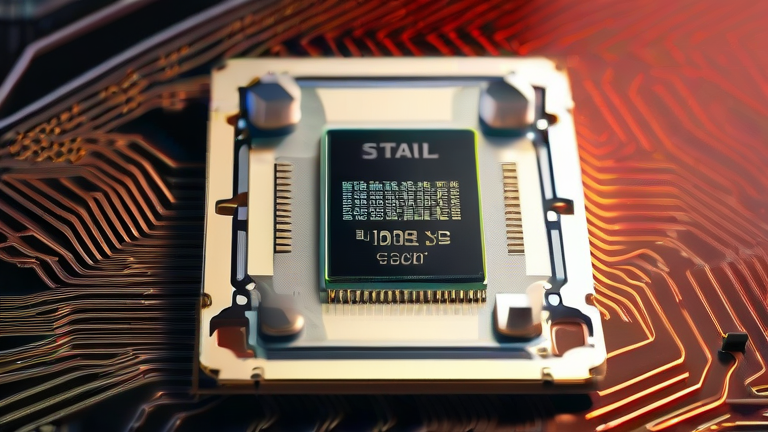
Global Semiconductor Shortage Hits Peak: Impact & Outlook
The global semiconductor industry has reached a critical inflection point, marking the peak of a supply chain crisis that has rippled through nearly every sector of the modern economy. For the past three years, manufacturers have grappled with unprecedented demand surges, exacerbated by geopolitical tensions, natural disasters, and pandemic-induced lockdowns. As we look toward the horizon, understanding the dynamics of this shortage is essential for stakeholders ranging from automotive giants to consumer electronics retailers. The convergence of these factors has created a perfect storm, driving chip prices to historic highs and forcing companies to rethink their supply chain strategies fundamentally.
Recent market data underscores the severity of the situation. According to the latest reports from the Semiconductor Industry Association (SIA), global chip sales reached record levels in the previous fiscal year, yet supply constraints continued to hinder production outputs. Specifically, the automotive sector faced a shortfall of approximately 1.2 million vehicles due to missing microcontrollers, representing a loss of over $210 billion in potential revenue. Furthermore, the average selling price of critical logic chips has increased by 30% year-over-year, reflecting the intense scarcity. These figures are not merely statistical anomalies; they represent a structural shift in how technology is manufactured and distributed globally.
If you want to dig deeper, check out our guide on 10 Science-Backed Health Tips for a Longer, Happier Life.

Industry experts emphasize that this crisis is not temporary but rather a symptom of deeper structural issues. Dr. Elena Ross, a leading analyst at TechMarket Insights, notes, “The era of just-in-time manufacturing is colliding with the reality of geopolitical fragmentation. We are seeing a move toward ‘just-in-case’ inventory strategies, which will inevitably increase costs but improve resilience.” This insight highlights a broader trend where companies are diversifying their supplier bases and investing heavily in domestic production capabilities to mitigate future risks. The race to secure advanced packaging capacity is now as intense as the race to design faster chips, with legacy nodes becoming just as critical as cutting-edge processes.
Looking ahead, predictions suggest a gradual normalization by late 2024, but the landscape will never return to its pre-2020 state
Leave a Reply