Autonomous Delivery Robots Dominate Cities: The Future of Urban Logistics
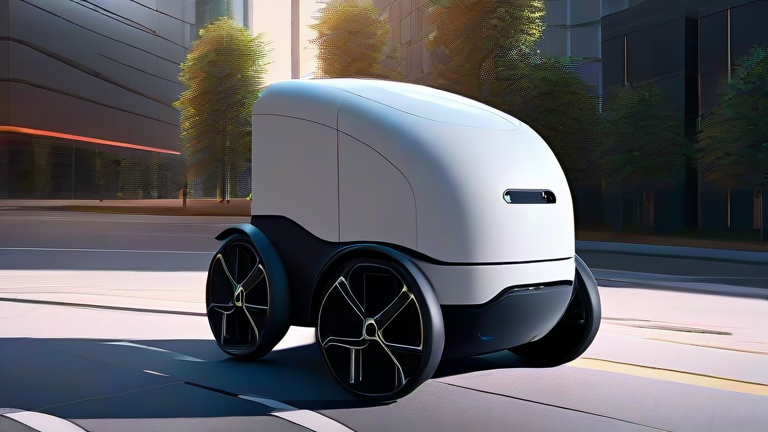
Imagine a world where your morning coffee arrives not on the back of a motorcycle, but on a quiet, six-wheeled robot gliding smoothly along the sidewalk. This is no longer a distant sci-fi fantasy; it is the rapidly approaching reality of urban logistics. As cities worldwide grapple with congestion and pollution, autonomous delivery robots have emerged as a revolutionary solution, fundamentally changing how goods move through our metropolitan landscapes. This review explores why these small machines are rapidly becoming the dominant force in last-mile delivery.
If you want to dig deeper, check out our guide on 7 Simple Lifestyle Hacks to Boost Your Daily Happiness.
The standout feature of modern autonomous delivery robots is their advanced sensor fusion technology. Equipped with LiDAR, cameras, and radar, these units perceive their environment with superhuman precision. They can distinguish between a pedestrian, a cyclist, and a stray cat, adjusting their path in real-time to ensure safety. Unlike traditional delivery drivers, who must navigate heavy traffic and search for parking, robots utilize dedicated bike lanes and sidewalks, significantly reducing carbon emissions and traffic congestion. Furthermore, their operational costs are drastically lower, allowing for faster delivery speeds and more frequent drop-offs without the burden of human labor fatigue.
When compared to traditional courier services, the difference is stark. Standard deliveries often involve large vans idling in traffic, contributing to urban smog and noise pollution. In contrast, autonomous robots operate quietly and efficiently. While they currently lack the capacity to carry heavy loads or navigate extremely complex terrains without assistance, their reliability in urban environments is unmatched. They do not take breaks, do not get lost, and do not require fuel. For businesses, this means a scalable, eco-friendly logistics network that can handle peak seasons with ease.
As we stand on the brink of a logistical revolution, it is crucial to embrace these innovations. The integration of autonomous robots into our daily lives promises a cleaner, quieter, and more efficient city. However, widespread adoption requires public trust and regulatory support. If you are a consumer, look for delivery options that utilize electric, autonomous fleets. If you are a business owner
Leave a Reply