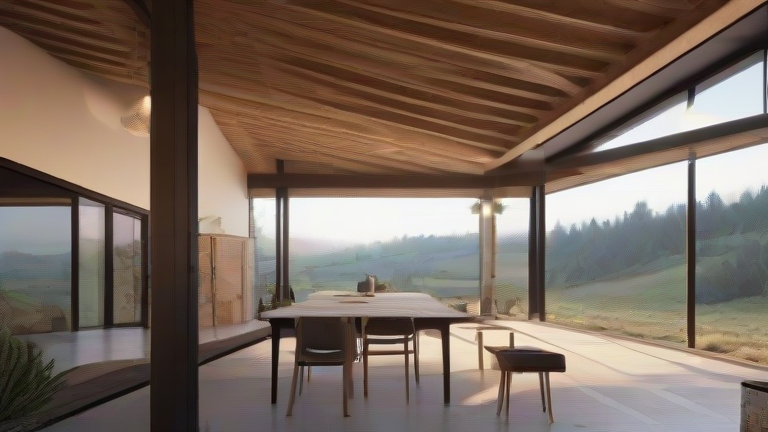
Rural Remote Work Hubs: The Shift to Country Living
The traditional nine-to-five office paradigm has undergone a seismic shift, driven by the unprecedented scale of remote work adoption. While initial pandemic-era trends favored urban centers, a distinct counter-movement is emerging: the migration to rural areas. This is not merely a temporary relocation but a structural realignment of the workforce, creating a new economic ecosystem known as “Rural Remote Work Hubs.” These hubs are transforming quiet towns into vibrant economic centers, challenging the long-standing dominance of metropolitan areas in the global labor market.

Market data supports this dramatic demographic shift. According to recent studies by the National Association of Realtors, 42% of remote workers who relocated in 2020 moved to rural areas, seeking affordability and space. Furthermore, the U.S. Census Bureau reports a significant population increase in counties with populations under 50,000, directly correlating with broadband expansion initiatives. This influx is injecting billions into local economies, boosting demand for housing, retail, and specialized services. The “digital nomad” is no longer a niche concept but a substantial market force reshaping regional development strategies.
Expert insights suggest that this trend is driven by a desire for work-life balance and a reevaluation of lifestyle priorities. Dr. Elena Ross, a sociologist specializing in urban demographics, notes, “People are no longer willing to trade quality of life for proximity to an office. They are bringing their economic power to places that offer nature, community, and lower costs of living.” This sentiment is echoed by business leaders who find that remote teams in rural areas often report higher job satisfaction and lower turnover rates, citing reduced commute stress and stronger community ties as key factors.
Looking ahead, the future of rural remote work hubs appears robust and expansive. Infrastructure investment is accelerating, with government and private sector partnerships focusing on high-speed broadband access as a critical utility. We can expect to see a rise in purpose-built co-working spaces in small towns, designed to foster networking among remote professionals. Additionally, local governments are adapting zoning laws to accommodate mixed-use developments that blend residential living with professional environments. Predictions indicate that by 2030,
Leave a Reply