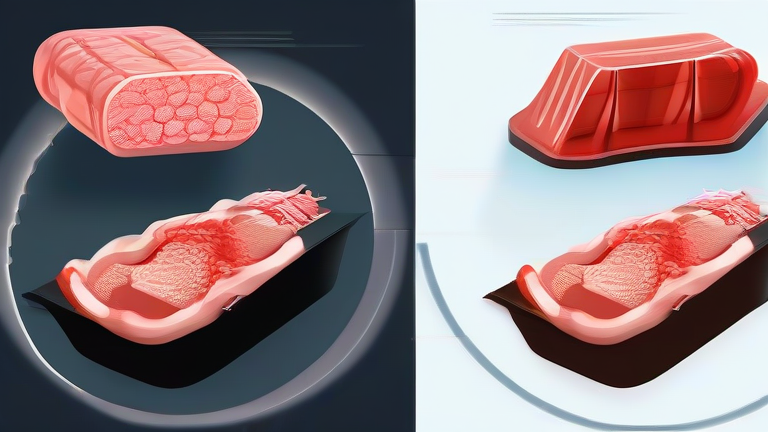
EU Approves Lab-Grown Meat: What It Means for You
The European Union has officially taken a monumental step toward the future of food by approving the sale of cultivated meat within its member states. This landmark decision, finalized after rigorous safety assessments by the European Food Safety Authority (EFSA, marks a pivotal moment in the intersection of technology, agriculture, and consumer health. For the first time, commercially produced lab-grown meat is no longer just a laboratory experiment or a niche delicacy; it is a regulated, safe, and legally viable product ready for supermarket shelves.
Latest Developments and Technical Specifications
The approval process was not instantaneous. It required years of scientific validation to ensure that the cellular structures used to grow the meat are free from contaminants and allergens. The new regulations mandate strict labeling standards, requiring products to clearly state that the meat is “cultivated” or “lab-grown” to prevent consumer confusion. Technically, the meat is produced by taking a small sample of animal cells and placing them in a bioreactor, where they are fed a nutrient-rich medium to multiply. This process eliminates the need for slaughtering animals, resulting in a product that is genetically identical to conventional meat but produced with significantly lower environmental impact.
If you want to dig deeper, check out our guide on Ultimate Step-by-Step Tutorial: Master [Topic] in 10 Minutes.

Industry Impact and Consumer Benefits
For consumers, the implications are profound. The primary benefit is environmental. Traditional livestock farming accounts for a substantial portion of global greenhouse gas emissions, deforestation, and water usage. Cultivated meat promises a reduction in carbon footprint by up to 90% compared to conventional beef production. Additionally, there is the ethical dimension. Many consumers are increasingly concerned about animal welfare, and lab-grown meat offers a cruelty-free alternative that retains the taste and texture they love without the moral compromise.
From an industry perspective, this approval opens the floodgates for investment and innovation. Major food corporations are already racing to scale up production facilities to meet anticipated demand. Supply chains will need to adapt, with new logistics focusing on cold storage and rapid distribution
Leave a Reply