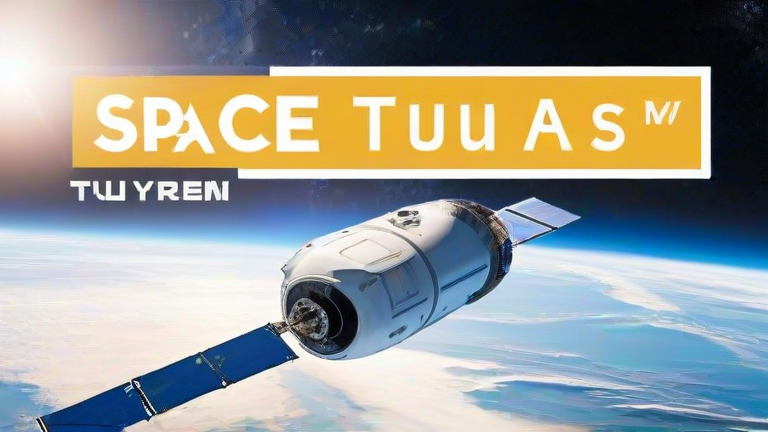
TL;DR: Space tourism is transitioning from an exclusive club for billionaires to a viable option for the general public through new commercial initiatives and cost-reduction technologies. While full orbital flights remain expensive, suborbital experiences and training camps are becoming accessible, marking the dawn of an era where space travel is no longer just for the ultra-wealthy.
The End of the Elite Club
For decades, space was the domain of national governments and a select few corporate giants. The narrative of space travel was always tied to prestige, national pride, and astronomical budgets. However, the landscape has shifted dramatically. The definition of “space tourism” is broadening. It is no longer just about splashing down after a brief moment of weightlessness; it is about creating an infrastructure that supports human presence off-world. This shift is driven by reusability. When rockets can land and be refueled, the cost per seat drops precipitously. This economic model is what allows companies to pitch space travel to the middle class, albeit with a significant delay.
If you want to dig deeper, check out our guide on Digital Identity Portability: Top Standards & Best Practices.
What Does “Public Access” Really Mean?
It is crucial to manage expectations. “Public access” does not mean you can buy a ticket on a Tuesday for a Friday launch to the Moon. It means the barriers to entry are lowering. The first wave of public access is suborbital tourism. These flights reach the Karman line, offering a few minutes of weightlessness and a view of Earth’s curvature. Prices for these tickets are dropping from hundreds of millions to the price of a luxury car. The second wave involves orbital stays. Here, the cost is still high, but the duration is longer, and the experience is more profound. You are not just a tourist; you are a participant in a new frontier. This is where the cultural shift happens. Space becomes a destination, not just a destination of last resort for the desperate or the incredibly rich.
The Lifestyle Shift: Preparing for the Void
As space travel becomes more common, the lifestyle surrounding it is evolving. We are seeing the rise of “space fitness.” Astronauts undergo rigorous physical conditioning, and now, civilians are adopting these regimens to prepare for the physiological stresses of launch and re-entry. This is a personal growth angle that few could have predicted a decade ago. Learning to manage microgravity, understanding zero-G nutrition, and practicing psychological resilience in isolated environments are becoming desirable skills. These are not just for astronauts; they are for the future space tourist who wants to ensure their safety and comfort.
Culture and Culinary Adaptations
The culture of space is also influencing Earth-bound habits. Space food, once known for being bland and freeze-dried, is undergoing a renaissance. Chefs are now designing meals that are not only nutritious in zero-G but also flavorful and culturally rich. This has trickled down to earthbound cuisine, with restaurants offering “space-themed” menus that use advanced preservation techniques. The cultural impact is profound. Space is no longer a distant, abstract concept; it is becoming a tangible part of our leisure and lifestyle. We are beginning to see the integration of space aesthetics into fashion, architecture, and home design. The “space age” is no longer a historical era; it is a current lifestyle choice.
FAQ
Q: How much does a suborbital space ticket cost today?
A: Prices vary by provider, but current tickets for suborbital flights typically range from $250,000 to $450,000 per person.
Q: Do I need special training to go on a space tour?
A: Yes, all commercial providers require a minimum of one to two weeks of physical and psychological training to ensure passenger safety and comfort.
Q: When will orbital space travel be affordable for the average person?
A: Experts estimate that orbital tourism will become accessible to the upper-middle class within the next 10 to 15 years, with prices dropping to around $100,000.
Leave a Reply