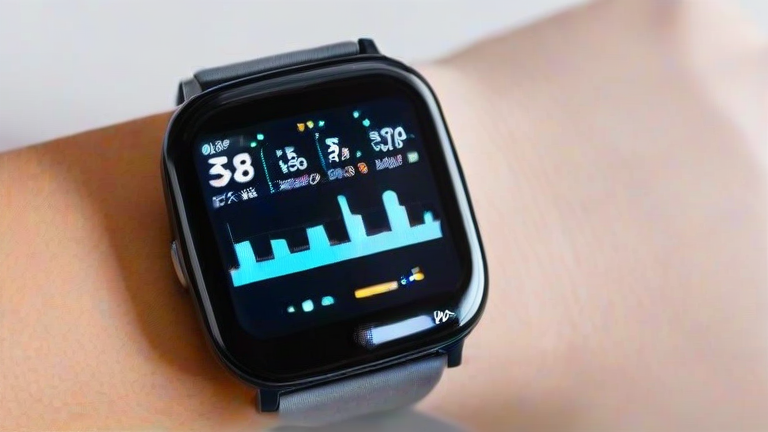
GLP-1 + Wearables: Real-Time Health Tracking
TL;DR: Combining GLP-1 agonists with advanced wearable technology allows for precise monitoring of metabolic responses and physical activity, creating a closed-loop feedback system for weight management. This synergy enhances medication efficacy by providing data-driven insights into heart rate variability, sleep quality, and real-time energy expenditure, ultimately supporting sustainable lifestyle changes.
The intersection of pharmacological intervention and digital health is reshaping how individuals approach chronic weight management. GLP-1 receptor agonists, such as semaglutide and liraglutide, have revolutionized treatment by targeting hormonal pathways that regulate appetite and blood sugar. However, medication alone is not a complete solution. Integrating these drugs with wearable devices like smartwatches and continuous glucose monitors (CGMs) offers a comprehensive view of the body’s physiological state. This approach moves beyond static metrics, such as weekly weigh-ins, to provide dynamic, real-time data that can inform immediate behavioral adjustments.
If you want to dig deeper, check out our guide on 7 Simple Daily Habits for a Healthier, Longer Life.
The Science of Synergy
Research indicates that GLP-1 agonists can influence cardiac autonomic tone, potentially affecting heart rate variability (HRV). Wearables equipped with photoplethysmography (PPG) sensors can track these subtle changes, alerting users to potential adverse effects or improvements in cardiovascular health. Furthermore, these devices monitor activity levels with high precision. As medication reduces hunger, users may experience reduced energy levels; wearables help distinguish between true fatigue and insufficient physical exertion. By correlating medication dosage with physical output and recovery metrics, users and healthcare providers can identify the optimal balance between drug therapy and lifestyle modification.
Practical Lifestyle Tips
To maximize the benefits of this integrated approach, consider the following strategies. First, prioritize consistent data collection. Ensure your wearable is charged and properly fitted to maintain sensor accuracy. Second, focus on muscle preservation. GLP-1 agonists can lead to loss of lean muscle mass alongside fat. Use wearable data to track strength training frequency and intensity, ensuring that resistance exercises are part of your routine to maintain metabolic rate. Third, monitor sleep patterns. Poor sleep can exacerbate insulin resistance and counteract the benefits of GLP-1 therapy. Use sleep tracking features to identify disturbances and adjust bedtime habits accordingly. Finally, leverage trend analysis rather than daily fluctuations. Look at weekly or monthly trends in step count, active minutes, and resting heart rate to gauge long-term progress and make informed adjustments to your diet or exercise regimen.
Health is a dynamic process, and combining modern medicine with digital tools empowers individuals to take proactive control. By understanding how your body responds to medication in real-time, you can make smarter choices that support long-term wellness and prevent potential complications. This holistic strategy ensures that weight loss is not just about the number on the scale, but about improving overall metabolic health and quality of life.
FAQ
Q: Do wearables replace the need for regular doctor visits?
A: No, wearables provide valuable supplementary data but do not replace professional medical advice or clinical monitoring required for prescription medications.
Q: Which specific metrics should I prioritize when using a wearable with GLP-1 therapy?
A: Focus on resting heart rate, heart rate variability, sleep quality scores, and daily active energy expenditure to monitor overall cardiovascular and metabolic health.
Q: Can wearable data help prevent muscle loss associated with GLP-1 agonists?
A: Yes, by tracking strength training consistency and recovery metrics, wearables can help ensure adequate physical activity to preserve lean muscle mass during weight loss.
Leave a Reply