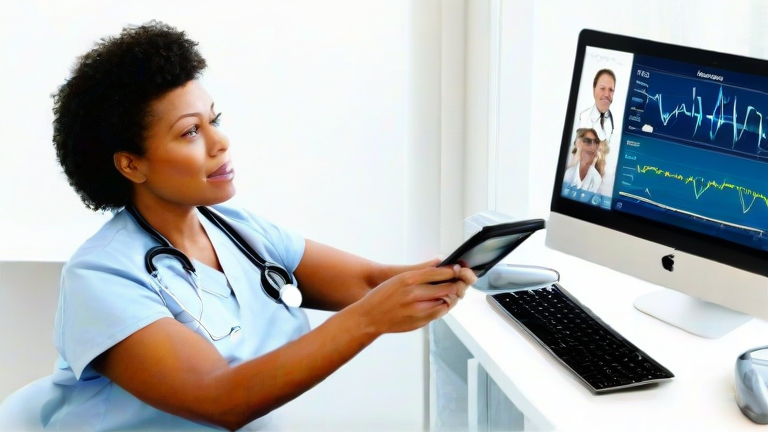
TL;DR: The shift from annual medical visits to daily, at-home health monitoring reflects a broader cultural move toward proactive personal wellness and self-reliance. This trend transforms health from a reactive necessity into an integral part of daily life, empowering individuals to make real-time lifestyle adjustments based on continuous data.
The New Ritual of Wellness
For generations, health management was synonymous with the annual checkup, a brief, often stressful interaction with a doctor that provided a snapshot of one’s physical status. Today, that paradigm is dissolving. In living rooms and hotel rooms across the globe, a new ritual is emerging: the daily health audit. This shift is not merely about technology; it is a profound cultural evolution that mirrors our broader desire for control, autonomy, and personalized experiences in every aspect of life.
If you want to dig deeper, check out our guide on Best Noise-Cancelling Headphones for Remote Work.
Consider the modern traveler. Gone are the days when a trip meant disconnecting from one’s body’s signals. Today, the savvy explorer checks their sleep quality, hydration levels, and heart rate variability before stepping out of the airport terminal. This data-driven approach allows travelers to adjust their plans in real-time. If a night of poor sleep due to jet lag is detected, the individual might choose a quieter afternoon activity rather than a high-energy tour, or prioritize a nutrient-dense meal to replenish energy stores. Health monitoring has become a travel companion, ensuring that the journey is as restorative as it is adventurous.
Food as Fuel, Data as Guide
This continuous feedback loop extends deeply into our culinary habits. The culture of food is no longer just about taste or tradition, but about biohacking. With continuous glucose monitors and wearable fitness trackers, diners can observe how specific foods affect their energy levels and blood sugar in real-time. This has sparked a new wave of culinary curiosity. People are experimenting with meal timing, macronutrient ratios, and food combinations to optimize their performance and mood. The dining experience becomes a laboratory, where the plate is a tool for self-optimization. This doesn’t diminish the joy of food; rather, it adds a layer of mindfulness, encouraging us to listen to our bodies’ subtle cues rather than ignoring them until a symptom appears.
Culturally, this shift represents a democratization of healthcare expertise. We are no longer passive recipients of medical advice; we are active participants in our own health narratives. This empowers individuals to engage in deeper conversations with healthcare providers, armed with weeks of data rather than vague recollections. It fosters a sense of personal growth, as mastering one’s health metrics becomes a skill akin to learning a new language or mastering a musical instrument. The pressure, however, is real. The constant stream of data can lead to health anxiety, creating a new form of stress. Balancing this new normal requires a cultural shift toward viewing these tools as guides rather than rulers.
Ultimately, the rise of at-home health monitoring is about redefining the relationship between self and body. It is a movement toward continuous care, where health is not a destination reached after a crisis, but a continuous journey of discovery. As we integrate these technologies into our daily lives, we must remember that the goal is not perfection, but awareness. By embracing this continuous loop, we gain the power to live more intentionally, whether we are exploring a new city, enjoying a local dish, or simply resting at home. The future of health is not in the hospital, but in the home, woven into the fabric of our everyday existence.
FAQ
Q: Is at-home health monitoring a replacement for professional medical advice?
A: No, it is a complement. These tools provide data for lifestyle adjustments but cannot diagnose complex medical conditions or replace the nuanced judgment of a healthcare provider.
Q: How does continuous monitoring impact the culture of food and travel?
A: It encourages mindful consumption and adaptive travel planning. People use data to choose foods that optimize energy and adjust travel itineraries to align with their physical readiness, enhancing the quality of the experience.
Q: What are the potential downsides of constant health tracking?
A: The primary risk is health anxiety and
Leave a Reply