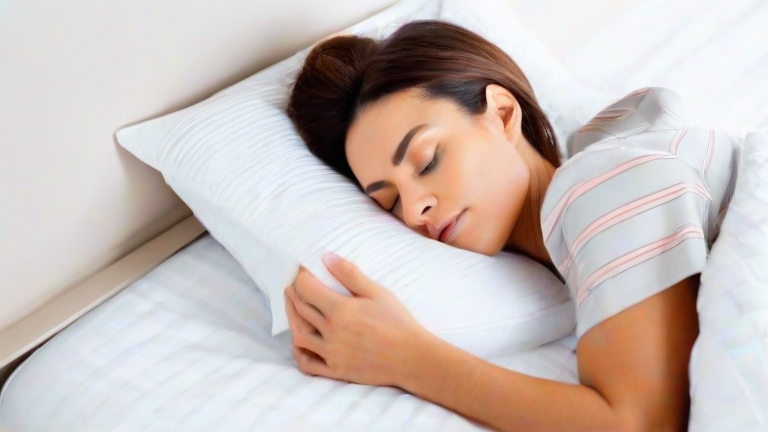
TL;DR: Sleep optimization is the new fitness frontier because it directly enhances recovery, cognitive performance, and metabolic efficiency, outperforming many traditional exercise interventions. By prioritizing high-quality rest, individuals unlock their body’s natural repair mechanisms, creating a sustainable foundation for long-term health and vitality.
For decades, the pursuit of physical excellence has been dominated by the gym. We have chased heavier weights, faster paces, and stricter diets, often viewing sleep as merely the downtime required to repeat the process. However, a cultural shift is underway. Modern wellness culture is increasingly recognizing that what happens during rest is just as critical as what happens during activity. This paradigm shift positions sleep not as a passive state, but as an active, high-performance training block. Just as an athlete tracks heart rate and macros, sleep-optimizers are beginning to monitor light exposure, temperature, and circadian rhythm alignment with the same intensity.
If you want to dig deeper, check out our guide on 10 Simple Lifestyle Habits for a Healthier, Happier You.
The Biological Return on Investment
The science backing this movement is robust. Sleep is the primary window for muscle protein synthesis, hormonal regulation, and neural cleanup. When you optimize sleep, you are not just resting; you are actively rebuilding. Consider the concept of “sleep debt.” Accumulated sleep loss impairs insulin sensitivity, increases inflammatory markers, and reduces the efficacy of growth hormone release. In the context of personal growth, this means that your ability to learn, adapt, and execute complex tasks is biologically tethered to your rest quality. A well-rested mind is more resilient to stress, more creative, and better equipped to handle the cognitive demands of modern life. This is why sleep optimization is framed as a fitness tool; it amplifies the returns on every other health investment you make.
Cultural Implications of Rest
Culturally, we are moving away from the “hustle culture” glorification of exhaustion. There is a growing appreciation for the Japanese concept of *inemuri* or the Scandinavian emphasis on *friluftsliv*, which often includes restorative breaks in nature. Travel trends are shifting toward “wellness tourism,” where tourists seek out retreats focused on sleep hygiene, digital detoxes, and circadian alignment rather than just spa treatments or adventure sports. Food culture is also adapting, with more emphasis on timing meals to support sleep rather than just nutrition for energy. Late-night snacking is being replaced by mindful evening routines that signal the brain to prepare for rest. This cultural pivot suggests a deeper understanding of human limits and a respect for the body’s natural rhythms.
Implementing sleep optimization does not require expensive technology, though wearables can be helpful. It starts with simple behavioral changes: consistent bedtimes, reducing blue light exposure before bed, keeping the bedroom cool and dark, and avoiding caffeine in the afternoon. These small adjustments compound over time, leading to significant improvements in energy, mood, and physical performance. The frontier of fitness is no longer about pushing harder, but about resting smarter. By redefining rest as a performance strategy, we can achieve a more balanced and effective approach to health.
FAQ
Q: How is sleep optimization different from just sleeping more?
A: Optimization focuses on sleep quality and timing, ensuring deep restorative stages are maximized, whereas sleeping more without proper hygiene may not improve recovery efficiency.
Q: Can poor sleep negate the benefits of a good workout?
A: Yes, insufficient or low-quality sleep can impair muscle recovery, increase injury risk, and reduce the metabolic benefits gained from exercise sessions.
Q: What are the first steps to start optimizing my sleep?
A: Begin by establishing a consistent sleep schedule, creating a cool and dark sleep environment, and limiting screen time at least one hour before bedtime.
Leave a Reply