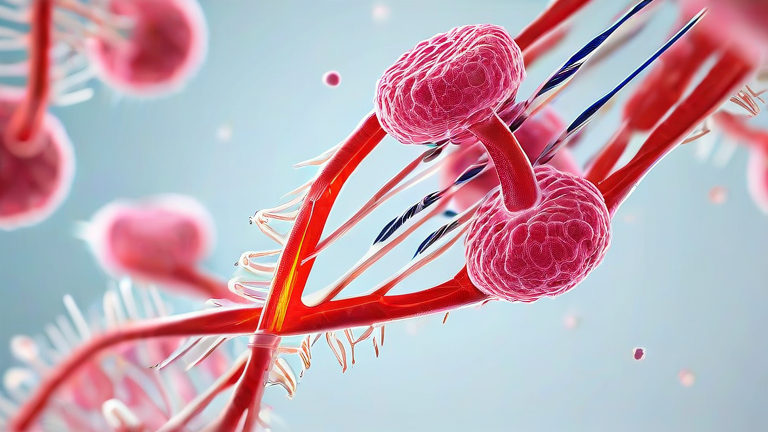
TL;DR: Personalized mRNA vaccines are now clinically viable for targeting individual cancer mutations, offering a precision medicine approach that enhances immune response. This technology transforms oncology by creating bespoke therapeutic regimens for each patient’s unique tumor profile.
The Dawn of Precision Oncology
The landscape of cancer treatment is undergoing a radical shift with the rapid maturation of personalized mRNA vaccines. Unlike traditional chemotherapy or broad-spectrum immunotherapies, these vaccines are engineered to target specific neoantagens—unique protein fragments produced by a patient’s tumor due to genetic mutations. Recent clinical trials have demonstrated that when these vaccines are combined with checkpoint inhibitors, they can significantly prolong progression-free survival in patients with advanced melanoma and other solid tumors. The technology leverages the body’s own immune system, training it to recognize and destroy cancer cells that have previously evaded detection.
If you want to dig deeper, check out our guide on **10 Products That Actually Deliver on Their Promises** (46 .
Technical Specifications and Manufacturing
The production of these vaccines relies on high-throughput sequencing and advanced computational algorithms to identify the most immunogenic mutations within a tumor’s genomic profile. The resulting mRNA sequences are then synthesized into lipid nanoparticle (LNP) formulations, which protect the genetic material and facilitate its uptake by antigen-presenting cells. Recent advancements have reduced the manufacturing time from several months to as little as three to four weeks, a critical metric for clinical utility. The stability of the mRNA during transport and storage has also improved, with new LNP designs allowing for less stringent cold-chain requirements, thereby expanding logistical feasibility for global distribution.
Industry Impact and Commercial Viability
The pharmaceutical industry is witnessing intense competition to establish dominant platforms for personalized mRNA cancer vaccines. Major players are investing billions in scaling up automated manufacturing lines to handle the high volume of bespoke orders required for individual patient care. This shift moves oncology away from one-size-fits-all treatments toward a highly customized model, potentially reducing overall healthcare costs by improving efficacy rates and reducing the need for repeated, ineffective therapies. Furthermore, the infrastructure developed for mRNA vaccine production during the pandemic is being repurposed, accelerating time-to-market for these novel cancer therapies. Regulatory agencies are also adapting their approval frameworks to accommodate the personalized nature of these products, focusing on the platform technology rather than individual patient-specific sequences, which streamlines the approval process for future iterations.
FAQ
Q: How are personalized mRNA vaccines different from standard cancer treatments?
A: They are tailored to a specific patient’s tumor mutations, training the immune system to target unique neoantagens rather than attacking all rapidly dividing cells broadly.
Q: What is the typical turnaround time for creating a personalized vaccine?
A: Current industry standards aim for a turnaround time of three to four weeks from tumor biopsy to vaccine administration, although this can vary by facility.
Q: Are these vaccines approved for general use yet?
A: While several are in late-stage clinical trials and showing promising results, broad regulatory approval for personalized cancer mRNA vaccines is still pending in most major markets.
Leave a Reply