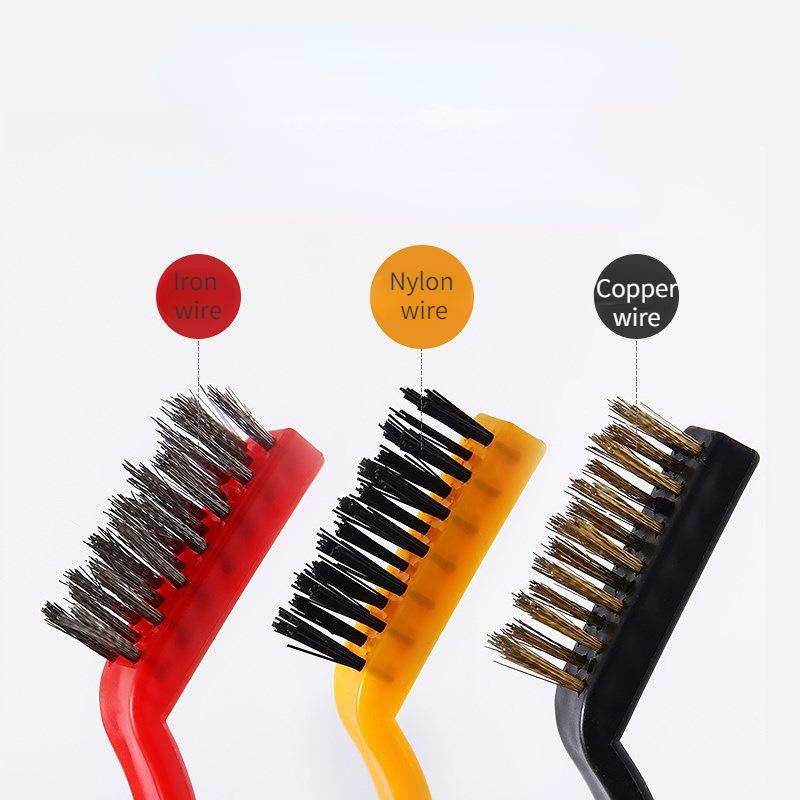
These are specialized cleaning tools designed to scrub stubborn rice porridge and oil residue from the bottom of rice cookers and gas stove burners. They target the difficult-to-reach areas where food sticks, making manual cleaning faster and more effective than using standard sponges.
What to look for
Brush Head Material
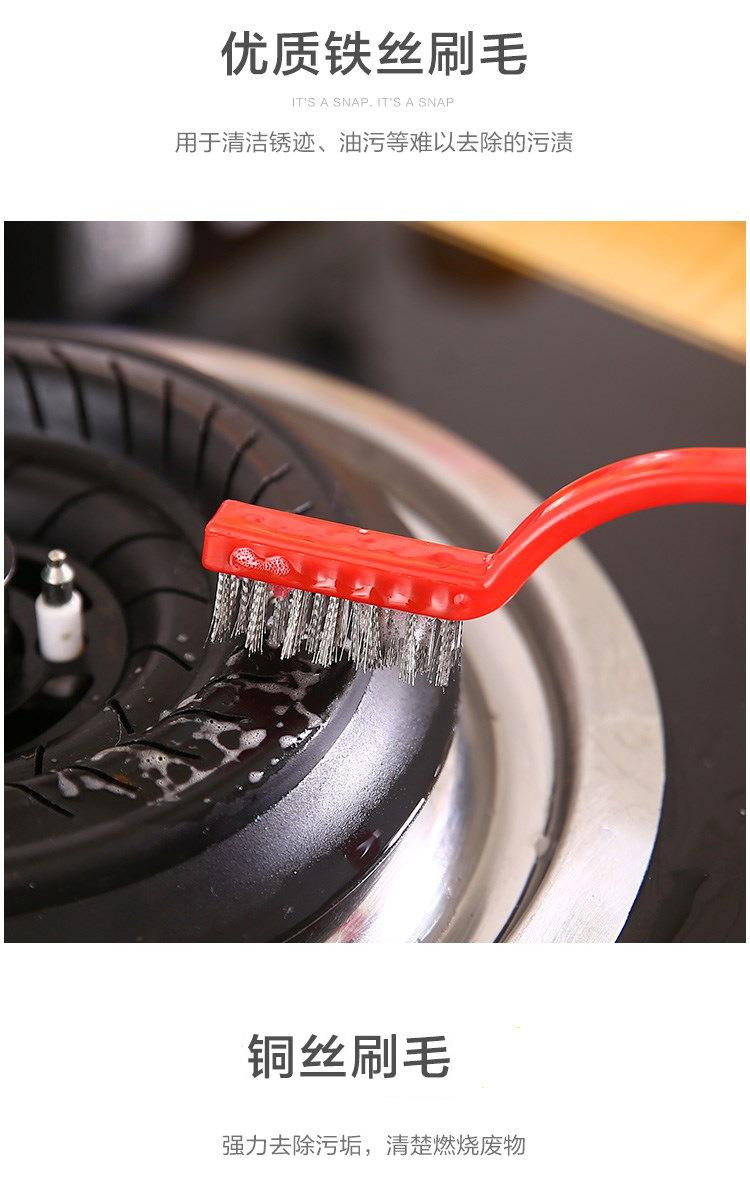
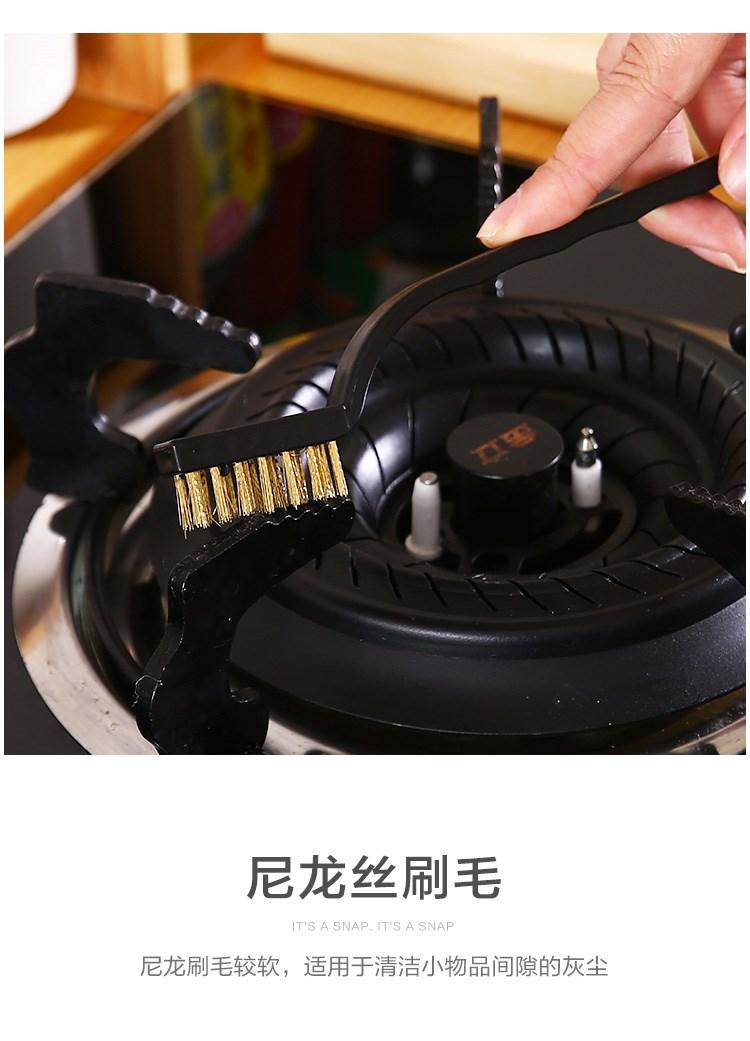
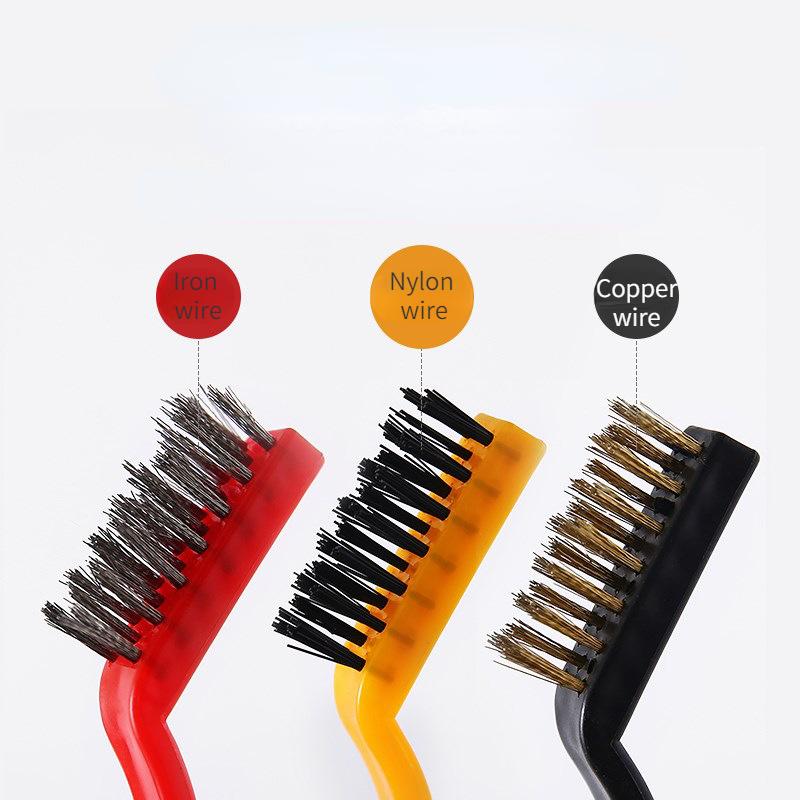
Nylon bristles are gentle on non-stick coatings and safe for most cookers. Copper heads offer superior heat transfer to melt oil but risk scratching if too hard. Steel bristles are the most durable for burnt-on food but must be used with extreme caution to avoid damaging the pan surface.
Handle Construction
A sturdy handle is essential for leverage when scrubbing the bottom of a heavy pot. Look for ergonomic grips that allow you to apply downward pressure without slipping. Cheap plastic handles may snap under stress during vigorous cleaning.
Residue Removal Efficacy
Effective brushes combine mechanical scrubbing with chemical oil-removing agents to dissolve grease. The tool alone works well for fresh residue but needs detergent for old, carbonized burns. Check if the product includes a formula designed specifically for hydrophobic oil films.
How to use it
Daily Rice Residue Cleanup
Use a soft nylon brush to gently scrub the inner bottom of the rice cooker after each meal to prevent sticky buildup. Dip the brush in warm water and mild detergent, then rinse thoroughly before the next cooking session.
Heavy Gas Stove Degreasing
Apply the oil-removing liquid to a sturdier brush and scrub the gas stove burner grate to lift thick oil layers. Let the solution sit for a few minutes to break down the grease before scrubbing to reduce physical effort.
Product photos
At a glance
| Material | Nylon, Copper, or Steel bristles with plastic or metal handles |
|---|---|
| Typical size | Varies by size, usually small enough to fit inside standard pots |
| Best for | Removing rice porridge stains and oil residue from cookware bottoms |
| Where it fits | Pantry |
Frequently asked questions
Are copper brush heads safe for non-stick rice cooker pots?
Copper heads are generally not recommended for non-stick surfaces unless the bristles are extremely soft and used gently. They can scratch the coating if too much pressure is applied, so nylon is the safer choice for protecting the inner pot’s finish while cleaning.
How do I remove burnt oil from a gas stove using this brush?
Apply the included oil-removing liquid directly to the brush head and scrub the burnt spots on the stove. Allow the chemical agent to penetrate the grease for a minute, which softens the residue and makes it much easier to wipe away with the brush.
Will steel bristles damage my rice cooker’s heating element?
Steel bristles are effective but carry a high risk of damaging the heating element if they slip. Use them only on the metal bottom surface and avoid the heating coils entirely. A softer nylon alternative is preferred to ensure long-term safety for the cooker’s internal components.
Verdict
Buy this if you struggle with stubborn rice stains or heavy oil on gas stoves and want a targeted tool. Do not buy it if you are cleaning delicate glass or ultra-thin non-stick coatings where even soft nylon might be risky. The chemical component is the real value here, not just the bristle material.
Product: Best Rice Cooker Cleaning Brushes: Nylon vs Copper vs Steel for Gas Stove Residue
View this product on TikTok Shop
Listing: https://shop.tiktok.com/view/product/1729565054561389079
Related guides
- Kawaii Bow Ballet Socks: Cute Style Trade-offs For Home Organization And Daily Wear
- Are Temporary Tattoo Stickers Worth It For Body Organization?
- Hot Stamping Thank You Stickers: A Honest Comparison Of Food Packaging Options For Home Or
{“@context”: “https://schema.org”, “@graph”: [{“@type”: “Article”, “headline”: “Best Rice Cooker Cleaning Brushes: Nylon vs Copper vs Steel for Gas Stove Residue”, “description”: “Compare effective rice cooker cleaning brushes made from nylon, copper, and steel. Learn trade-offs for gas stove oil removal and when cheaper options work best”, “inLanguage”: “en”, “author”: {“@type”: “Organization”, “name”: “mambag.com”}}, {“@type”: “FAQPage”, “mainEntity”: [{“@type”: “Question”, “name”: “Are copper brush heads safe for non-stick rice cooker pots?”, “acceptedAnswer”: {“@type”: “Answer”, “text”: “Copper heads are generally not recommended for non-stick surfaces unless the bristles are extremely soft and used gently. They can scratch the coating if too much pressure is applied, so nylon is the safer choice for protecting the inner pot’s finish while cleaning.”}}, {“@type”: “Question”, “name”: “How do I remove burnt oil from a gas stove using this brush?”, “acceptedAnswer”: {“@type”: “Answer”, “text”: “Apply the included oil-removing liquid directly to the brush head and scrub the burnt spots on the stove. Allow the chemical agent to penetrate the grease for a minute, which softens the residue and makes it much easier to wipe away with the brush.”}}, {“@type”: “Question”, “name”: “Will steel bristles damage my rice cooker’s heating element?”, “acceptedAnswer”: {“@type”: “Answer”, “text”: “Steel bristles are effective but carry a high risk of damaging the heating element if they slip. Use them only on the metal bottom surface and avoid the heating coils entirely. A softer nylon alternative is preferred to ensure long-term safety for the cooker’s internal components.”}}]}, {“@type”: “Product”, “name”: “Best Rice Cooker Cleaning Brushes: Nylon vs Copper vs Steel for Gas Stove Residue”, “description”: “These are specialized cleaning tools designed to scrub stubborn rice porridge and oil residue from the bottom of rice cookers and gas stove burners. They target the difficult-to-reach areas where food sticks, making manual cleaning faster and more effective than using standard sponges.”, “image”: “https://p16-oec-va.ibyteimg.com/tos-maliva-i-o3syd03w52-us/b851a20799324310967e05191d615da2~tplv-o3syd03w52-origin-jpeg.jpeg?”, “offers”: {“@type”: “Offer”, “availability”: “https://schema.org/InStock”}}]}
Leave a Reply