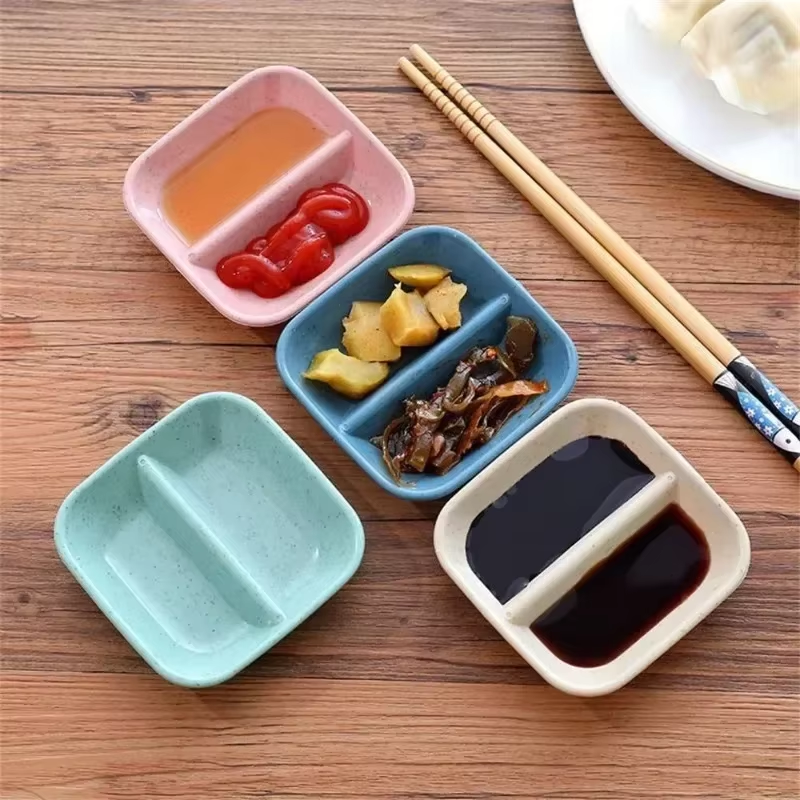
This is a disposable-style plate made from wheat straw fibers and plastic, designed for casual serving of pickles, snacks, or light meals. It suits households seeking lightweight, shatter-resistant dishware for children or outdoor use, but it is not a replacement for high-heat baking or formal dining due to material limitations.
What to look for
Material Composition
Check if the label specifies the ratio of wheat straw to plastic. Higher plastic content often means better rigidity but less eco-friendly profile. Avoid items with vague material descriptions if environmental impact is a priority.
Heat Tolerance
Verify the maximum safe temperature, usually around 200 degrees Fahrenheit. These plates are generally microwave-safe but should not be used in ovens or under broilers. Exceeding the limit can warp the plate or leach chemicals.
Edge Construction
Inspect the rim for smoothness and thickness. Thin edges may chip or crack under heavy use. A slightly thicker rim provides better stability for stacking and handling full plates.
Size Variance
Measure the diameter against your specific needs, as ‘snack’ sizes vary widely. Ensure the depth is sufficient for saucy items like pickles to prevent spills. Standard snack plates are often 6 to 8 inches across.
How to use it
Casual Snack Service
Use for serving pickles, cheese, or nuts during movie nights or parties. The lightweight nature makes it easy for guests to carry around without fear of breaking ceramic.
Child-Friendly Dining
Ideal for young children learning to eat independently because it is shatter-proof. However, supervise closely as the material is not unbreakable and can snap if dropped on hard surfaces.
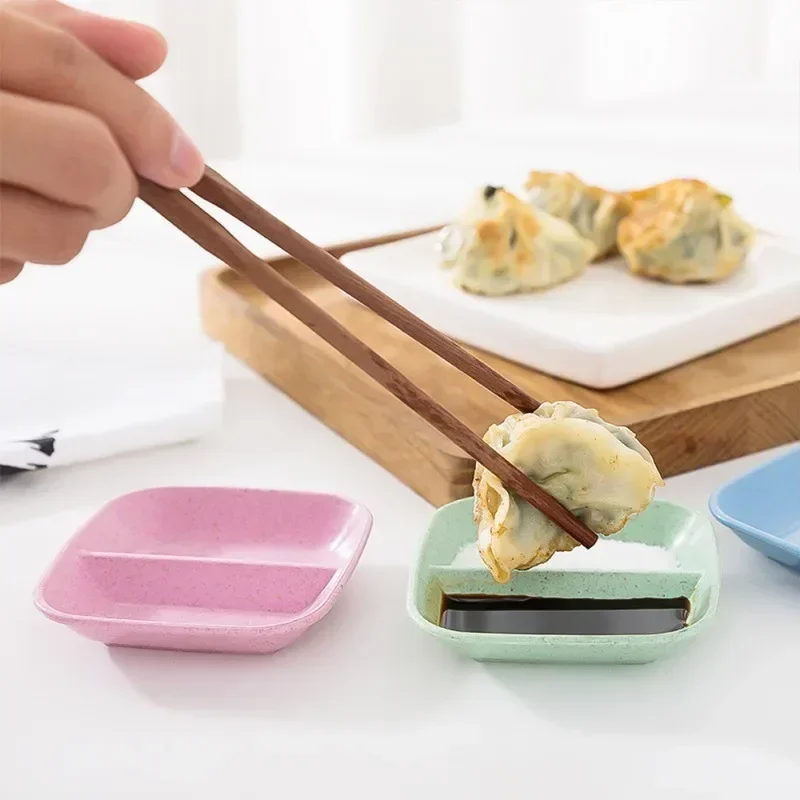
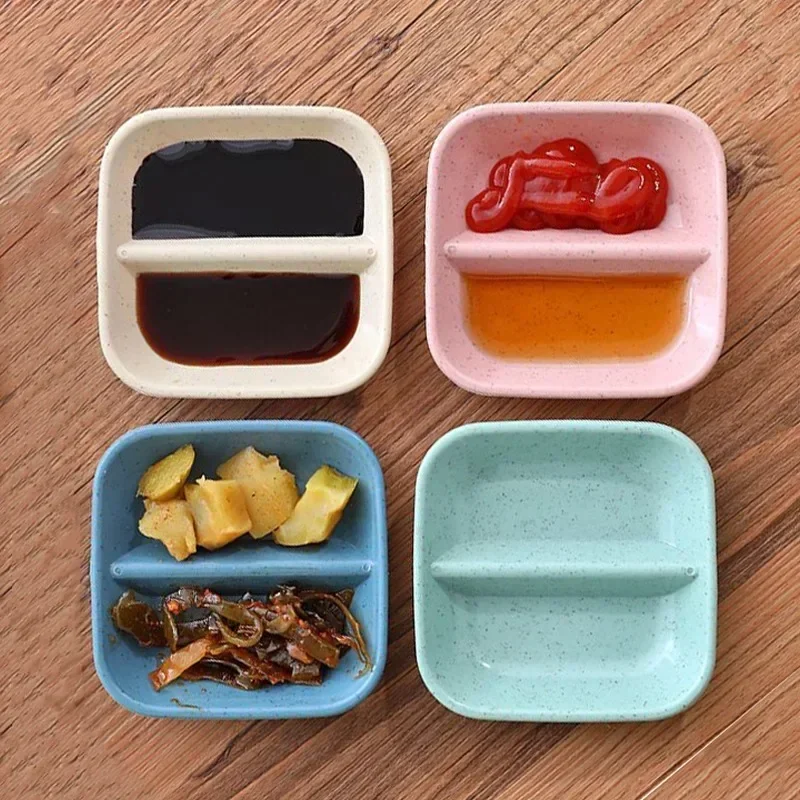
Product photos
At a glance
| Material | Wheat straw fiber mixed with plastic resin |
|---|---|
| Typical size | Varies by size, typically 6 to 10 inches in diameter |
| Best for | Light snacks, pickles, cold salads, and casual serving |
| Where it fits | closet, pantry, or under-desk storage |
Frequently asked questions
Are wheat straw plates really biodegradable?
Most are not fully biodegradable because they contain plastic binders. They are compostable in industrial facilities only if certified. Otherwise, they should be recycled as mixed plastic or thrown in the trash, not home compost.
Can I put these plates in the dishwasher?
Many are labeled dishwasher safe, but the top rack is recommended to prevent warping. Hand washing extends the life of the plate significantly. Avoid high-heat drying cycles as the plastic components may deform over time.
How do these compare to standard plastic plates?
They offer a more natural look and are often perceived as more eco-friendly, though the functional difference is minimal. They are slightly heavier than thin plastic and have a matte finish, but they share similar durability limits regarding heat and impact.
Verdict
Buy this if you want lightweight, shatter-resistant dishware for casual, cold food service and have space to store them. Do not buy if you need oven-safe cookware, formal dining aesthetics, or a truly zero-waste solution.
Product: Wheat Straw vs Ceramic Plates: Honest Comparison for Snack Service
View this product on AliExpress
Listing: https://www.aliexpress.com/item/1005008683265262.html
Related guides
- Circular Supply Chains: Driving the Future of Manufacturing
- Fresh Lace Scrunchie vs. Standard Elastic: Style and Comfort Trade-Offs
- Brain-Computer Interfaces Restore Speech for Paralyzed Patients
{“@context”: “https://schema.org”, “@graph”: [{“@type”: “Article”, “headline”: “Wheat Straw vs Ceramic Plates: Honest Comparison for Snack Service”, “description”: “Compare wheat straw snack plates to ceramic and plastic. Learn when the eco-friendly material is worth the trade-off in durability and heat resistance for your”, “inLanguage”: “en”, “author”: {“@type”: “Organization”, “name”: “mambag.com”}}, {“@type”: “FAQPage”, “mainEntity”: [{“@type”: “Question”, “name”: “Are wheat straw plates really biodegradable?”, “acceptedAnswer”: {“@type”: “Answer”, “text”: “Most are not fully biodegradable because they contain plastic binders. They are compostable in industrial facilities only if certified. Otherwise, they should be recycled as mixed plastic or thrown in the trash, not home compost.”}}, {“@type”: “Question”, “name”: “Can I put these plates in the dishwasher?”, “acceptedAnswer”: {“@type”: “Answer”, “text”: “Many are labeled dishwasher safe, but the top rack is recommended to prevent warping. Hand washing extends the life of the plate significantly. Avoid high-heat drying cycles as the plastic components may deform over time.”}}, {“@type”: “Question”, “name”: “How do these compare to standard plastic plates?”, “acceptedAnswer”: {“@type”: “Answer”, “text”: “They offer a more natural look and are often perceived as more eco-friendly, though the functional difference is minimal. They are slightly heavier than thin plastic and have a matte finish, but they share similar durability limits regarding heat and impact.”}}]}, {“@type”: “Product”, “name”: “Wheat Straw vs Ceramic Plates: Honest Comparison for Snack Service”, “description”: “This is a disposable-style plate made from wheat straw fibers and plastic, designed for casual serving of pickles, snacks, or light meals. It suits households seeking lightweight, shatter-resistant dishware for children or outdoor use, but it is not a replacement for high-heat baking or formal dinin”, “image”: “https://ae-pic-a1.aliexpress-media.com/kf/S163ab2d3b1894a88bf4a1ba2642f478bj.jpg”, “offers”: {“@type”: “Offer”, “availability”: “https://schema.org/InStock”}}]}
Leave a Reply