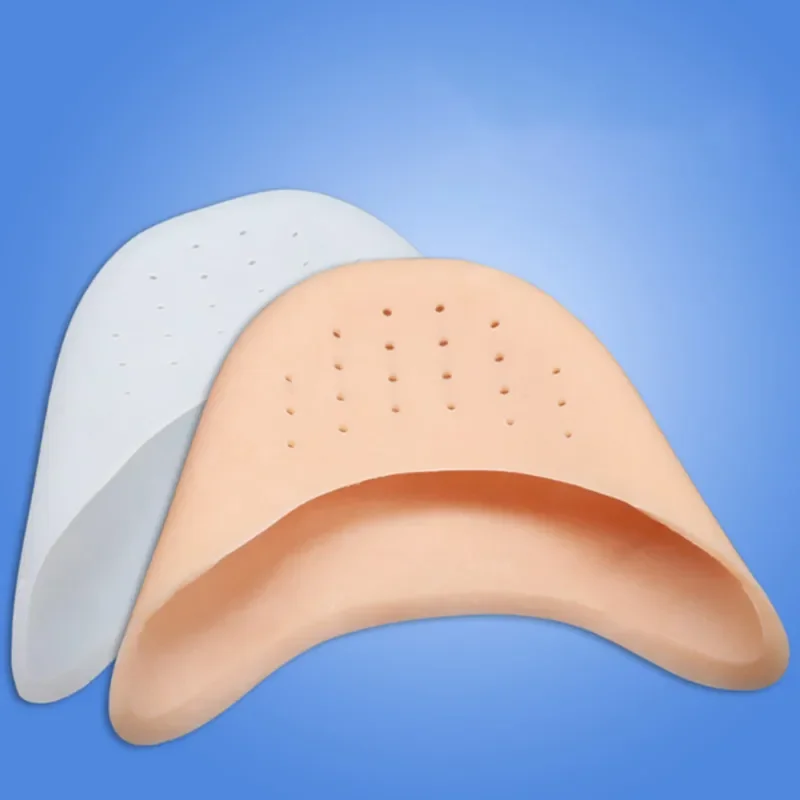
These are adhesive insoles placed in the toe box of ballet shoes to cushion the ball of the foot. They are for dancers experiencing pain or blisters during pointe work. The air-hole design aids ventilation, but the primary benefit is impact reduction. Choose based on your specific shoe width and activity intensity.
What to look for
Cushion Density
Check if the foam is dense enough to compress without flattening permanently. Softer pads feel comfortable initially but wear out faster under heavy weight. Look for a material that rebounds quickly after pressure is released.
Air Hole Pattern
Verify the placement of air holes relative to the pressure points on your foot. Holes directly under the metatarsals provide ventilation but may reduce cushioning support in that exact area. Ensure the pattern aligns with your natural foot strike.
Adhesive Quality
Inspect the backing to ensure it bonds securely to the shoe’s inner lining without peeling. Weak adhesive causes the pad to shift during movement, leading to blisters. The glue should be strong enough to withstand sweat and repeated flexing.
Trimmability
Determine if the pad can be easily trimmed to fit your specific shoe size. Some shoes have narrow toe boxes where standard pads cause bulk and pressure. A pad that can be cut to shape ensures a custom fit without excessive material.
How to use it
Pointe Work
Place the pad centered under the ball of the foot before lacing the shoe. Ensure the heel is fully seated to prevent the pad from sliding forward. This setup absorbs the impact of rising onto pointe.
Long Rehearsals
Use these pads during extended class sessions to reduce fatigue in the forefoot. They help maintain consistent cushioning as the shoe stretches over time. Monitor for any shifting during complex footwork.
Tight Shoe Fit
If your shoes are slightly too narrow, use a thinner profile pad to add volume without causing pressure points. This can help stabilize the foot inside a loose-fitting shoe. Avoid overly thick pads in narrow toe boxes.
Product photos
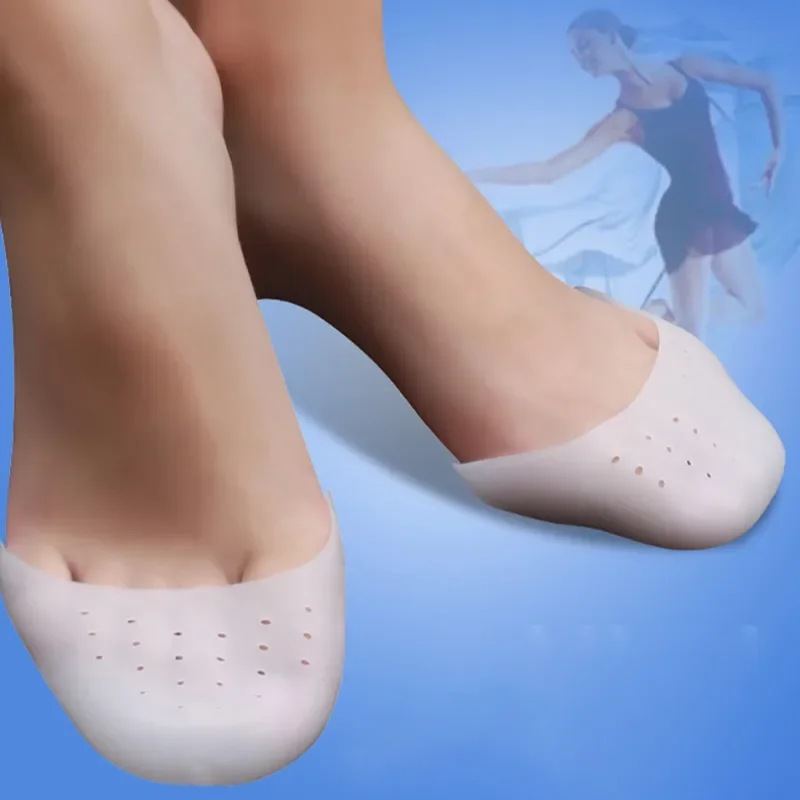
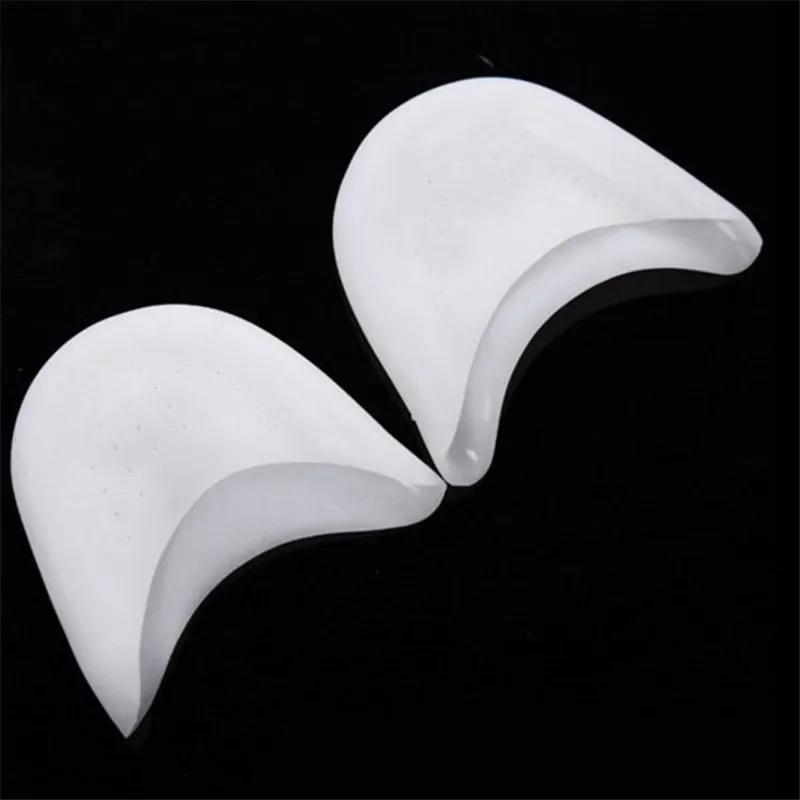
At a glance
| Material | EVA foam with ventilated holes |
|---|---|
| Typical size | Varies by shoe size, usually trimmable |
| Best for | Dancers with sensitive forefeet or new shoes |
| Where it fits | Inside the toe box of ballet shoes |
Frequently asked questions
Do ballet tip pads make shoes too big?
They can add volume, so if your shoes are already snug, the pad may cause pressure. Try them on during a short session to check for fit. If they feel loose, you can trim the edges to reduce bulk and improve the fit.
How often should I replace tip pads?
Replace them when the foam no longer rebounds or the adhesive fails. Heavy use may require replacement every few months. Light use might allow them to last longer, but check regularly for compression and wear.
Are air-hole pads better than solid foam?
Air-hole pads offer better ventilation and reduce heat buildup. Solid foam provides more uniform cushioning. Choose air-hole if you sweat heavily or feel hot, or solid foam if you prioritize maximum impact absorption over breathability.
Verdict
Buy these if you need targeted cushioning for pointe work or have sensitive forefeet. Skip them if your shoes fit perfectly and cause no pain. Premium options offer little extra benefit over standard quality pads for most dancers.
Product: Ballet Shoe Tip Pads: Comfort, Cost, and Durability Trade-offs
View this product on AliExpress
Listing: https://www.aliexpress.com/item/1005006181917130.html
Related guides
- Top 10 Noise-Canceling Headphones for Travel
- Why Oversized Blazer Trench Coats Are Dominating Street Style
- Founder-Led Funds Challenge Traditional VC
{“@context”: “https://schema.org”, “@graph”: [{“@type”: “Article”, “headline”: “Ballet Shoe Tip Pads: Comfort, Cost, and Durability Trade-offs”, “description”: “Compare ballet shoe tip pads for shock absorption. Learn how air-hole soles affect durability and comfort, and determine if premium options offer better value t”, “inLanguage”: “en”, “author”: {“@type”: “Organization”, “name”: “mambag.com”}}, {“@type”: “FAQPage”, “mainEntity”: [{“@type”: “Question”, “name”: “Do ballet tip pads make shoes too big?”, “acceptedAnswer”: {“@type”: “Answer”, “text”: “They can add volume, so if your shoes are already snug, the pad may cause pressure. Try them on during a short session to check for fit. If they feel loose, you can trim the edges to reduce bulk and improve the fit.”}}, {“@type”: “Question”, “name”: “How often should I replace tip pads?”, “acceptedAnswer”: {“@type”: “Answer”, “text”: “Replace them when the foam no longer rebounds or the adhesive fails. Heavy use may require replacement every few months. Light use might allow them to last longer, but check regularly for compression and wear.”}}, {“@type”: “Question”, “name”: “Are air-hole pads better than solid foam?”, “acceptedAnswer”: {“@type”: “Answer”, “text”: “Air-hole pads offer better ventilation and reduce heat buildup. Solid foam provides more uniform cushioning. Choose air-hole if you sweat heavily or feel hot, or solid foam if you prioritize maximum impact absorption over breathability.”}}]}, {“@type”: “Product”, “name”: “Ballet Shoe Tip Pads: Comfort, Cost, and Durability Trade-offs”, “description”: “These are adhesive insoles placed in the toe box of ballet shoes to cushion the ball of the foot. They are for dancers experiencing pain or blisters during pointe work. The air-hole design aids ventilation, but the primary benefit is impact reduction. Choose based on your specific shoe width and act”, “image”: “https://ae-pic-a1.aliexpress-media.com/kf/S2e65a01da1634a1b8444e120605625abX.jpg”, “offers”: {“@type”: “Offer”, “availability”: “https://schema.org/InStock”}}]}
Leave a Reply