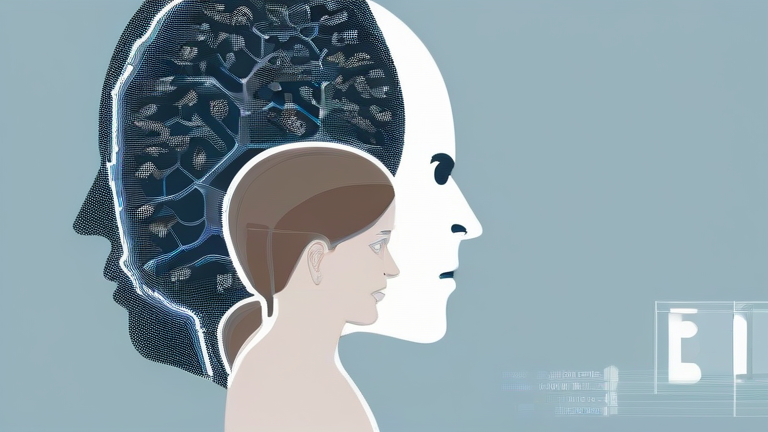
Neurotech & Brain-Computer Interfaces: The Future of BCI
Imagine sitting in a bustling café in Kyoto, the scent of matcha and old paper filling the air. You pick up your tablet, not with your hands, but with your thoughts. A subtle, lightweight headset rests comfortably against your temples, translating neural signals into digital commands. This is no longer science fiction; it is the emerging frontier of personal growth through neurotechnology. Brain-Computer Interfaces (BCIs) are rapidly transitioning from clinical rehabilitation tools to lifestyle enhancers, offering a new dimension to how we interact with our environment, learn new skills, and connect with culture.

For the modern traveler, the integration of BCI promises a seamless, frictionless experience. Picture exploring the ancient streets of Rome without the burden of heavy luggage or complex navigation apps. A neural link could provide real-time, augmented reality overlays directly into your field of vision, guided by your intent. If you think about the Colosseum, the historical context appears beside you. If you focus on a quiet alleyway, translation tools activate instantly, allowing you to converse with locals in their native tongue. This level of intuitive interaction transforms travel from passive observation to deep, immersive cultural exchange, breaking down language barriers with the speed of thought.
If you want to dig deeper, check out our guide on Top 10 Trending Topics You Need to Know in 2024.
In the realm of personal growth, BCIs offer unprecedented opportunities for accelerated learning and mindfulness. Traditional meditation requires years of practice to achieve deep states of focus. With neurofeedback devices, users can visualize their brainwaves in real-time, learning to regulate their mental state with immediate visual cues. Imagine mastering a complex piano piece or a new language while your BCI monitors your cognitive load, adjusting the difficulty level to keep you in the optimal “flow state.” This technology democratizes expertise, allowing individuals to expand their mental horizons and develop new talents with greater efficiency than ever before.
Food and culture also stand to benefit from this
Leave a Reply