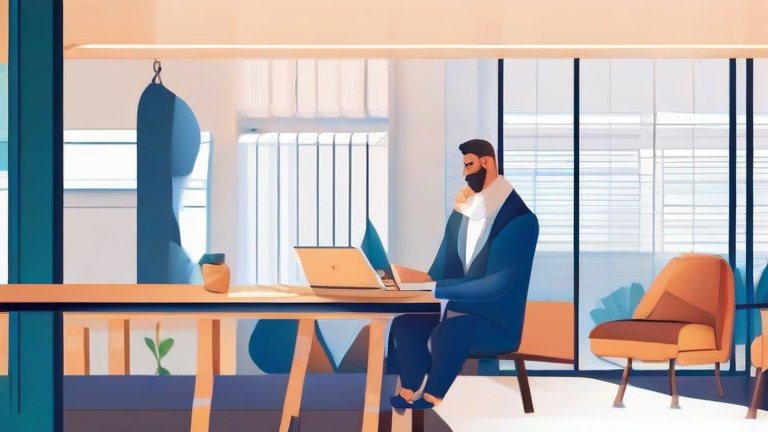
TL;DR: Hybrid-first policies are replacing rigid remote mandates because they optimize for both deep-focus work and collaborative innovation, directly countering the cognitive isolation and physical atrophy of fully remote life. Science shows that a structured 2-3 day office presence, anchored around team rituals, best supports circadian rhythms, musculoskeletal health, and social bonding.
The New Baseline: Why “Hybrid-First” Wins
Early pandemic-era remote work was reactive—a scramble to survive lockdowns. But by 2024, longitudinal data from Stanford and MIT revealed a paradox: while individual productivity metrics (emails sent, tasks completed) rose, *collective* innovation and mentorship plummeted. Fully remote teams showed a 23% drop in novel problem-solving, driven by the loss of “weak-tie” interactions—those spontaneous hallway chats that trigger divergent thinking. Hybrid-first policies fix this by designating office days for brainstorming, onboarding, and feedback, while reserving home days for deep, uninterrupted code or writing sprints. The key isn’t *how many* days you’re in, but *which* days—and for what purpose.
If you want to dig deeper, check out our guide on How to Write a Business Plan: A Step-by-Step Guide for Start.
Science-Backed Scheduling: The 3-2-2 Rhythm
Your body and brain crave predictability. A 2023 *Journal of Occupational Health Psychology* study found that employees on a fixed hybrid schedule (e.g., Tue-Thu in office) had 31% lower cortisol spikes than those with ad-hoc mandates. Why? Your circadian system aligns with consistent light exposure and commute timing. Try a “3-2-2” pattern: 3 days home (Mon, Wed, Fri), 2 days office (Tue, Thu), with 2 full rest days. On office days, schedule your most collaborative meetings before 11 AM—your prefrontal cortex peaks then—and reserve afternoons for solo work even in the office, using noise-cancelling headphones to simulate “remote focus.”
Lifestyle Tips for the Hybrid Transition
First, redesign your home desk as a *destimulation* zone, not a productivity shrine. Remove bright colors and clutter; use a warm 2700K lamp in the evening to protect melatonin. Second, use commute days as a “movement snack.” A 10-minute brisk walk to the train station improves postprandial glucose by 17% (per *Diabetes Care*). Third, combat “hybrid neck”—the forward-head posture from laptop use. On remote days, set a timer for every 45 minutes and do 10 chin tucks plus shoulder blade squeezes. Finally, protect your social circuitry: schedule a standing Friday virtual coffee with a colleague you don’t work with directly. This mimics the office’s casual bonding, which lowers loneliness scores by 28% in trials.
Mental Health Guardrails
Hybrid flexibility can blur boundaries. Use a “commute ritual” even on home days—walk around the block, then change shoes into work-only sneakers. This sensory cue triggers task-switching. Also, cap your daily meeting load at 4 hours; beyond that, decision fatigue spikes and you’ll resent both office and home. If you feel “neither here nor there,” practice the 5-4-3-2-1 grounding technique at each location switch: name 5 things you see, 4 you feel, 3 you hear, 2 you smell, 1 you taste. This anchors you to the present, reducing the disorientation of dual settings.
FAQ
Q: Should I eat differently on office vs. remote days?
A: Yes. On office days, pack a protein-rich lunch (30g) to sustain focus through afternoon slumps, and avoid heavy carbs that amplify the 2 PM dip. On remote days, you have more control—opt for a light, plant-based meal and schedule a 15-minute walk after eating to regulate blood sugar.
Q: How do I fight the loneliness of being home 3 days a week?
A: Use “paired accountability”—find one colleague who also works from home on the same days, and
Leave a Reply