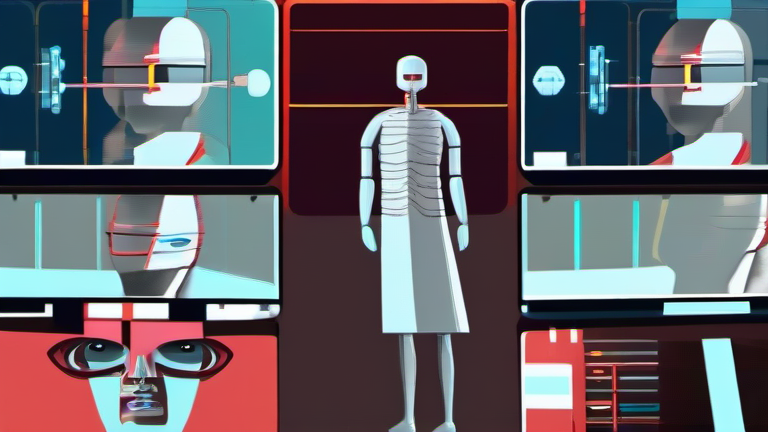
Deepfake Defense: AI, Cybersecurity & Protecting Digital Trust
TL;DR: Protect against deepfakes by implementing multi-layered verification protocols that combine AI-based forensic detection with strict human-in-the-loop policies. Organizations must proactively train employees to recognize synthetic media anomalies and adopt cryptographic content provenance standards to maintain digital trust.
Step-by-Step Defense Strategy
First, establish a baseline for authentic digital content. Before deploying any new media into public or internal channels, use advanced forensic tools that analyze pixel inconsistencies, lighting mismatches, and temporal artifacts. These AI-driven scanners can detect subtle distortions that the human eye often misses, such as unnatural blinking patterns or inconsistent shadows. Ensure your detection software is updated regularly to counter evolving synthesis algorithms.
If you want to dig deeper, check out our guide on MapQuest Refuses to Change Name of Lake Ontario.
Second, implement a rigorous human verification protocol. Never rely solely on automated systems. Designate a specific team responsible for reviewing high-stakes communications, especially those involving financial transactions or executive directives. Train this team to identify common deepfake markers, such as blurred facial features, awkward lip-syncing, or background inconsistencies. Create a “challenge-response” mechanism for sensitive requests, requiring verbal confirmation through a pre-arranged code word or a secondary authentication channel.
Third, secure your digital infrastructure against injection attacks. Deepfakes are often used in social engineering campaigns. Strengthen your email security filters to flag attachments or links from unknown sources. Use multi-factor authentication (MFA) for all critical systems, ensuring that even if a voice or video is spoofed, the attacker cannot bypass your access controls. Regularly audit your network for unusual activity that might indicate a successful social engineering attempt.
Finally, foster a culture of digital literacy. Conduct quarterly workshops for all employees, focusing on real-world examples of deepfake incidents. Encourage a “trust but verify” mindset where skepticism is viewed as a security strength rather than a lack of confidence. By empowering your workforce to question suspicious media, you create a resilient human firewall that complements your technological defenses. Remember, while AI creates the threat, human vigilance remains the most effective countermeasure.
FAQ
Q: Can deepfake detection tools catch every fake video?
A: No, no tool is perfect. Advanced deepfakes can bypass current detection models, which is why human verification and multi-factor authentication remain essential layers of defense.
Q: How often should deepfake detection software be updated?
A: You should update your detection software monthly or immediately after major security advisories are released, as deepfake generation technology evolves rapidly.
Q: Is C2PA content provenance mandatory for all digital assets?
A: It is not currently mandatory by law, but adopting C2PA standards is a best practice that significantly enhances trust and makes it easier to trace the origin of digital media.
Leave a Reply