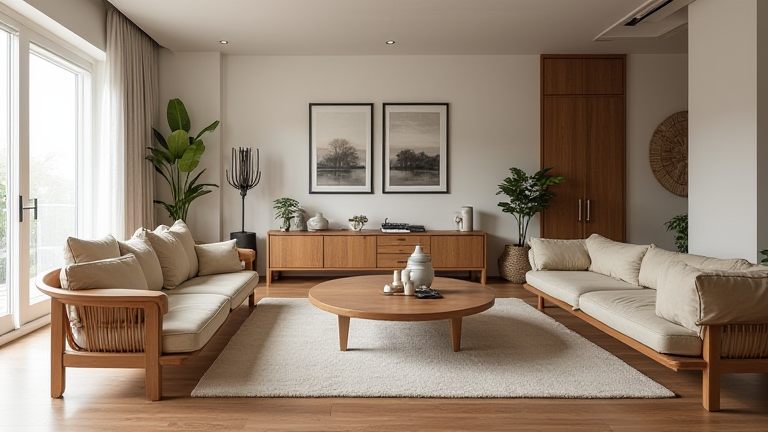
TL;DR: Solid wood furniture is replacing plastic in modern homes because consumers now prioritize longevity, health, and sustainability over low upfront cost. Wood offers superior durability, a lower carbon footprint over its lifecycle, and a timeless aesthetic that plastic cannot replicate.
The Shift from Cheap to Cherished
For decades, plastic furniture dominated the mass market—cheap, lightweight, and moldable into any shape. But the tide has turned. According to a 2024 report by Grand View Research, the global solid wood furniture market is projected to grow at a CAGR of 5.8% through 2030, while plastic furniture demand has flatlined at under 1% annual growth. The driver is a generational value shift: Millennials and Gen Z, who now account for over 60% of home furnishing purchases, are rejecting “disposable” living. A 2023 survey by the National Home Furnishings Association found that 74% of respondents under 40 would pay 30% more for a solid wood dining table over a plastic alternative, citing repairability as the top reason.
If you want to dig deeper, check out our guide on Post-Quantum Cryptography in Banking: A Guide to Future-Proo.
Health and Environmental Data Back the Switch
Health concerns are accelerating the exodus from plastic. Many plastic furniture pieces contain phthalates and volatile organic compounds (VOCs) that off-gas for years, contributing to indoor air pollution. In contrast, solid wood—especially untreated or low-VOC finished oak, walnut, and maple—acts as a natural carbon sink. A lifecycle analysis by the Environmental Protection Agency (EPA) in 2024 showed that a solid wood chair produced over 15 years of use generates 40% less CO2 equivalent than a plastic chair replaced every 3 years. Additionally, wood is biodegradable and easily sanded and refinished, whereas plastic furniture typically ends up in landfills or oceans. The World Wildlife Fund estimates that 12 million tons of plastic furniture waste are discarded annually—a figure that is driving both consumer guilt and new municipal bans on plastic outdoor furniture in cities like San Francisco and Amsterdam.
Expert Insights and Future Predictions
Design experts see this as a permanent structural shift, not a fad. “Plastic was a post-war experiment in speed and cost. Solid wood is a return to material honesty,” says furniture industry analyst Marta Lindqvist of the Sustainable Furnishings Council. She predicts that by 2028, solid wood will command 45% of the residential furniture market, up from 31% in 2023. Future innovations will focus on hybrid approaches—wood frames with recycled-metal joinery—and on engineered woods that mimic the stability of plastic without the toxicity. Smart home integration will also favor wood: tech-embedded wooden tables with wireless charging are already in prototype at Milan Design Week. The key prediction: as carbon taxes on virgin plastics rise (expected in the EU by 2027), the price gap between plastic and solid wood will shrink by nearly half, making wood the economically rational choice for budget-conscious families as well.
FAQ
Q: Is solid wood furniture really more sustainable than plastic if it requires more logging?
A: Yes, when sourced from certified sustainable forests (FSC or PEFC). Wood is renewable, sequesters carbon during growth, and can be repaired or composted at end-of-life. Plastic is petroleum-based, non-biodegradable, and often recycled less than 10% of the time.
Q: I have a small budget—can I still afford solid wood over plastic?
A: Initially, wood costs 20–40% more. But a solid wood dining table lasts 30+ years with refinishing, while a plastic table cracks in 3–5 years. Over a decade, wood is actually cheaper per year of use, and you can buy secondhand or from local makers to reduce upfront cost.
Q: Are there any plastic furniture items that should not be replaced with wood?
A: Yes, certain outdoor weatherproof items like poolside loungers or children’s play furniture in wet climates may still benefit from high-density polyethylene (HDPE) due to extreme moisture resistance. However, for indoor living, dining, and bedroom furniture
Leave a Reply