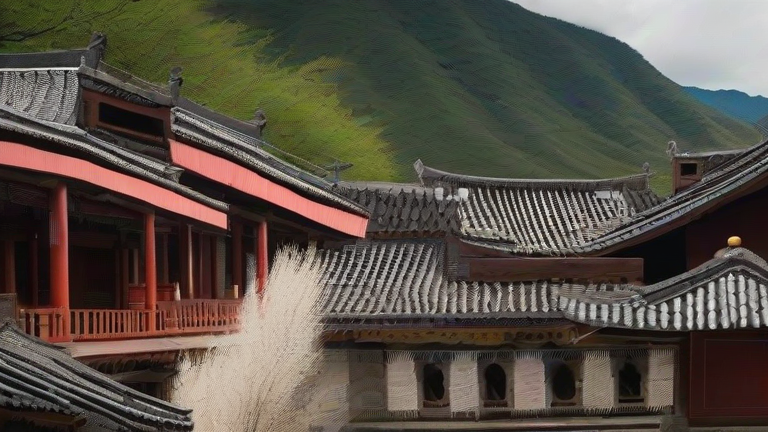
Yunnan & Tibet in June: Best Times to Visit
TL;DR: June is the ideal month for visiting Yunnan, offering lush green landscapes and mild temperatures before the peak summer crowds arrive. For Tibet, it marks the beginning of the high season, providing clear skies and accessible high-altitude passes after the winter freeze.
The Lush Awakening of Yunnan
Yunnan in June is a sensory explosion of color and scent. The dry season has given way to the rainy season, transforming the arid hills into emerald carpets. This is not the time for scorching heat but for experiencing the region’s vibrant natural beauty at its peak. The terraced fields of Yuanyang are filled with water, reflecting the sky in a mirror-like display, while the ancient tea plantations of Pu’er are at their most fertile. Travelers will find that the humidity is manageable, especially in the highland areas of Dali and Lijiang. The slight rain showers, which usually occur in the late afternoon, add a mystical quality to the old towns, making the cobblestone streets slick and the lanterns glow with a warm, inviting light. It is a perfect window for those who prefer a balance between comfortable weather and fewer tourists compared to the July and August holiday peaks.
If you want to dig deeper, check out our guide on 10 Best Tech Gifts Under $100: From AirPods to Anker Charger.
Tibet’s High-Altitude Summer
Meanwhile, Tibet begins to shake off the harsh winter grip. June is widely considered the start of the best travel season for the plateau. The temperatures in Lhasa range from a cool 8°C at night to a pleasant 20°C during the day, making outdoor exploration comfortable. The air is crisp and clean, offering unparalleled views of the Himalayas. This month is crucial for travelers wishing to cross the high passes, such as the Khardung La, as the snow has largely melted, opening up routes that are otherwise inaccessible. The cultural vibrancy of Tibet also peaks during this time, with local festivals beginning to take shape. The spiritual atmosphere is palpable as pilgrims and tourists alike visit the Potala Palace and Jokhang Temple. The light in June is particularly striking, with long golden evenings that seem to stretch out, allowing for extended photography sessions and reflection.
Culinary and Cultural Delights
Food plays a central role in both regions during this time. In Yunnan, the rainy season brings an abundance of fresh mushrooms. The famous wild mushroom hot pot is at its best, featuring varieties like matsutake and morels that are only available for a few weeks. This culinary event is a must for any food lover. In Tibet, the summer heat encourages outdoor dining, where you can enjoy traditional butter tea and tsampa in the open courtyards of monasteries. The cultural exchange is also more pronounced in June, as locals are more active and willing to engage with visitors. Whether you are learning to brew Pu’er tea in a Lijiang courtyard or watching a butter lamp ceremony in a Lhasa monastery, the cultural immersion is deeper and more authentic during this shoulder season.
For those seeking personal growth, the serene yet dynamic energy of June in Yunnan and Tibet offers a unique opportunity for mindfulness. The slower pace of life, combined with the natural beauty and spiritual heritage, allows for deep introspection. It is a time to slow down, breathe in the fresh mountain air, and connect with the land and its people. This period offers a perfect blend of adventure, relaxation, and cultural enrichment, making it a top choice for discerning travelers.
FAQ
Q: Is it too cold to travel in Tibet in June?
A: No, June is one of the warmest months in Tibet. Days are sunny and pleasant, while nights are cool, so packing layers is recommended for comfort.
Q: Does it rain heavily in Yunnan during June?
A: It is the rainy season, but showers are usually short and intense, often occurring in the afternoon. Rain gear is essential, but it rarely ruins the entire day.
Q: Do I need a special
Leave a Reply