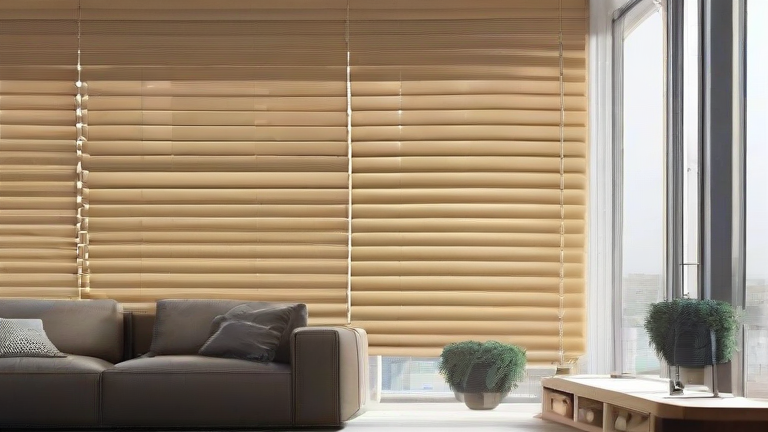
TL;DR: The best cat-proof blinds are cordless, made from durable materials like aluminum, vinyl, or thick faux wood, and have a smooth, cleanable surface that resists claw snags. Choose motorized or wand-operated models to eliminate dangling cords, which are both a safety hazard and a feline toy.
Top 10 Cat-Proof Blinds: Safe & Durable Picks
Living with a cat means accepting that your home is a shared jungle gym. The window treatments, in particular, are a prime target—a vertical climbing wall, a hide-and-seek spot, and a chew toy all in one. I learned this the hard way after my tabby, Miso, turned my bamboo blinds into a shredded fringe curtain within a week. But here’s the cultural shift: instead of fighting feline nature, we can design our interiors around it. In many Mediterranean and Japanese homes, simplicity and durability trump ornamentation, and that’s exactly the philosophy you need for pet-proof living. The goal isn’t to banish your cat from the window; it’s to choose blinds that survive the interaction with grace.
If you want to dig deeper, check out our guide on How to Automate Invoicing with QuickBooks.
Start with the material. Avoid hollow plastic slats that crack, and steer clear of fabric or woven grass—these are irresistible scratching posts. Instead, look for extruded aluminum or high-density PVC. These are tough enough to deflect a paw swipe, and they wipe clean with a damp cloth, removing the dust and nose prints that accumulate. Faux wood is a runner-up, provided it’s a solid composite rather than a hollow core, as the latter can dent. For a truly seamless look, consider vertical blinds made of rigid vinyl—they slide side-to-side and offer minimal lip for a cat to grip onto.
The second non-negotiable is the cord situation. Every vet will tell you that looped cords are a strangulation risk. But from a lifestyle angle, cords are also an invitation for a game of “bat the string” at 3 a.m. Cordless blinds, controlled via a spring-loaded mechanism or a wand, eliminate that entire category of chaos. If you want to go premium, motorized smart blinds are the ultimate luxury—your cat can’t operate them, but you can schedule them to open for the morning sun, creating a warm spot for your pet to lounge in without any manual intervention. That’s the personal growth angle: learning to adapt your environment to reduce friction, rather than forcing your pet to adapt to you.
Another trick from the world of interior design is the “inside-mount” installation. By mounting the blinds snugly inside the window frame, you remove the exposed bottom rail that cats love to bat from below. Pair this with a heavy-duty valance to hide the top mechanism, and you’ve created a smooth, uninterrupted surface that offers no paw-holds. For the truly destructive cat, consider pairing blinds with a sheer curtain hung on a separate rod—the curtain takes the brunt of the clawing while the blind stays pristine. It’s a small compromise that yields a peaceful coexistence.
Finally, remember that cats often attack blinds out of boredom. A window perch or a bird feeder outside the glass will redirect their attention. After switching to cordless aluminum blinds, I added a suction-cup hammock to the window. Now Miso spends his mornings watching sparrows instead of shredding my décor. It’s not about winning the battle; it’s about creating a home that works for everyone—two-legged and four-legged alike.
FAQ
Q: Are cordless blinds truly safe for cats, even if they try to bite the slats?
A: Yes, cordless designs remove the primary strangulation hazard. For biting, choose aluminum or high-density PVC slats—they are too hard to chew through and won’t splinter like wood, but always supervise a kitten who is actively teething.
Q: Can I use vertical blinds with a cat, or are horizontal slats better?
A: Vertical blinds made of rigid vinyl are an excellent choice because they offer a smooth, flat surface with no horizontal rungs to hook claws into. They also stack neatly
Leave a Reply