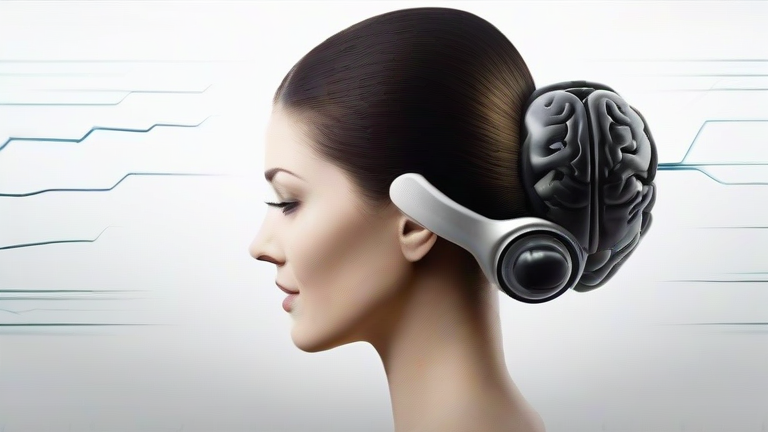
TL;DR: Non-invasive neurotech—like wearable EEG headbands and transcranial direct current stimulation (tDCS)—can safely boost focus, memory, and calm without surgery or drugs. For the modern traveler and lifelong learner, these tools offer a portable edge, turning jet-lagged afternoons or pre-flight anxiety into productive, mindful windows.
The Souvenir You Wear: Cognitive Gear on the Road
You’ve packed the passport, the noise-canceling earbuds, and the compression socks. But the newest travel essential isn’t in your carry-on—it’s on your forehead. Non-invasive neurotech has left the lab and entered the lifestyle aisle, promising a sharper mind for the wandering professional. Unlike implants or pharmaceuticals, these devices work from the outside, using gentle electrical pulses or real-time brainwave feedback. The result? A traveler who lands in Tokyo and can recall three days of meeting notes without a single espresso.
If you want to dig deeper, check out our guide on SEO Tutorial for Beginners: Step-by-Step Guide to Rank #1.
Consider the “focus headband” trend. Wear it for 20 minutes in your hotel room before a big presentation. It reads your alpha and beta waves, then plays a soft audio tone that nudges your brain into a calmer, more alert state. It’s meditation with a dashboard. For the culture-hopping foodie, this means you can taste a 12-course omakase without your mind drifting to tomorrow’s flight. You’re not just present—you’re neurologically optimized for presence.
A Personal Growth Angle: Reclaiming the Jet-Lagged Mind
Last spring, I took a tDCS device to a writers’ retreat in the Scottish Highlands. The unit is a small, flexible band with two saline-soaked electrodes that sit over your left dorsolateral prefrontal cortex—the brain’s taskmaster. After three days of foggy mornings, I strapped it on for 15 minutes while sipping tea. The effect wasn’t a lightning bolt; it was a gentle clearing, like a window defogging. I wrote 2,000 words that afternoon, and more importantly, I felt a deep, quiet confidence. It wasn’t a drug high—it was a subtle raising of the baseline.
That’s the real promise of this tech: not superhuman IQ, but a reliable way to lower the barrier between intention and action. For the solo traveler, it’s a tool against the loneliness of foreign cities. For the food writer, it’s a way to sharpen sensory memory—holding the smoky finish of a Spanish chorizo or the bright acidity of a Vietnamese pho broth in your mind’s palate for hours. You’re not just collecting experiences; you’re encoding them more deeply.
Practical Culture: From Kyoto Temples to Berlin Cafés
Adoption is already sneaking into high-end hostels and co-working spaces. In Kyoto, a quiet café offers “neuro-brew” sessions—a 10-minute EEG-guided breathing exercise before your matcha. In Berlin, a start-up hosts “focus dinners” where guests wear slim headbands during a communal meal, then discuss how their attention shifted between courses. This isn’t a gimmick; it’s a cultural shift toward viewing mental clarity as a daily ritual, like brushing your teeth or stretching. And because the devices are non-invasive, the side-effect profile is mild—mostly a slight tingling or a temporary headache if you overdo it.
Pricing ranges from $100 for basic EEG bands to $400 for multi-channel tDCS units. They’re USB-C rechargeable, weigh under 100 grams, and fit in a sunglasses case. The key is consistency: 15 minutes a day, not marathon sessions. Start at home, then take it on a weekend trip. You’ll notice that the anxiety of a delayed flight feels less sticky, the boredom of a long layover becomes a window for creative journaling. Neurotech won’t write your novel or translate the menu, but it will help you show up to your own life with a sharper, kinder attention.
FAQ
Q: Are these devices safe for everyday use, especially while traveling?Related Articles
Leave a Reply