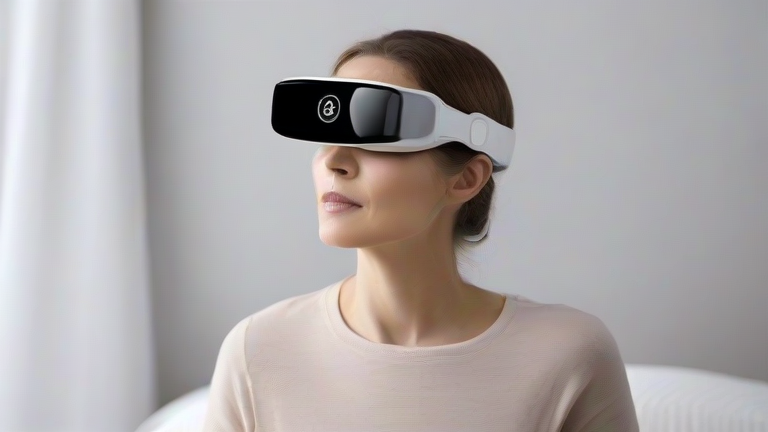
TL;DR: Neurofeedback devices are transforming personal growth by offering a tangible, at-home method to regulate the nervous system for better sleep and lower stress. These tools empower users to take control of their mental well-being without medication, fitting seamlessly into modern wellness routines.
The Rise of Digital Self-Optimization
In an era dominated by constant connectivity and high-pressure careers, the quest for inner calm has evolved. We are no longer just seeking spa days or meditation apps; we are looking for measurable results. Neurofeedback, once a clinical therapy reserved for treating ADHD or trauma, is now entering the living rooms of tech-savvy individuals seeking a deeper level of personal growth. This shift marks a significant cultural change, where mental health maintenance becomes a proactive, data-driven habit rather than a reactive medical necessity.
If you want to dig deeper, check out our guide on More CFUs in Probiotics? Why Higher Counts Don’t Equal Bette.
Understanding the Science Behind the Calm
At its core, neurofeedback is a form of biofeedback that uses real-time display of brain activity to teach self-regulation. Modern consumer devices use EEG sensors to monitor brainwaves, providing immediate audio or visual cues. If your brain enters a state associated with high anxiety or restlessness, the device signals you to adjust. Over time, this reinforces neural pathways associated with relaxation and deep sleep. It is akin to strength training for the mind, helping you build resilience against daily stressors. For many, this represents a profound step in personal empowerment, allowing them to understand their unique cognitive patterns.
Integrating Technology into Daily Rituals
The beauty of these devices lies in their simplicity and integration into existing lifestyle habits. Imagine starting your morning with a fifteen-minute session to boost focus before work, or using a bedtime session to quiet the racing thoughts that often plague insomniacs. The cultural angle here is the normalization of mental maintenance. Just as we track our steps and hydration, we are beginning to track our mental clarity. This approach bridges the gap between clinical psychology and everyday self-care, making sophisticated mental health tools accessible to a broader audience. It encourages a culture of introspection and self-awareness, moving beyond the “hack your brain” hype to genuine, sustainable wellness practices.
FAQ
Q: Do I need a professional to use a neurofeedback device?
A: No, most consumer-grade devices are designed for at-home use and do not require a professional therapist, though consulting a doctor is always recommended for medical advice.
Q: How long does it take to see results?
A: Results vary, but many users report improvements in sleep quality and stress levels within a few weeks of consistent daily practice.
Q: Are these devices safe for everyone?
A: Generally yes, but individuals with pacemakers, epilepsy, or specific neurological conditions should consult their healthcare provider before starting neurofeedback.
Leave a Reply