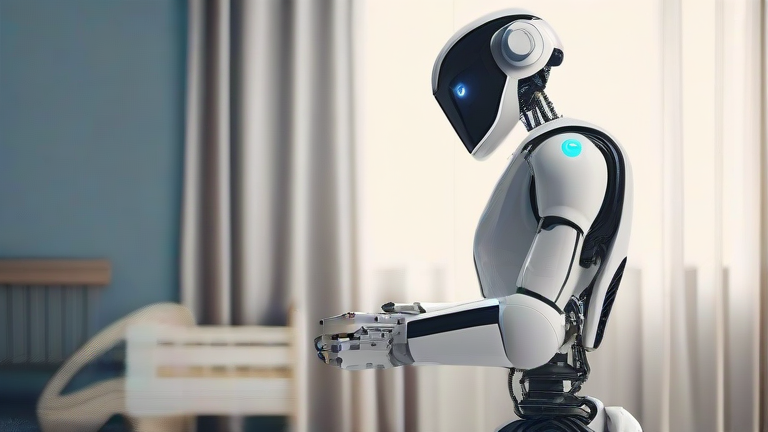
TL;DR: Robotics in elderly care reduces hospital readmissions by catching health declines early through continuous monitoring and by providing consistent, medication-accurate companionship that prevents falls and isolation. This tech-driven safety net keeps seniors stable at home, which is where most want to be anyway.
The Quiet Revolution in Your Grandmother’s Living Room
When I first visited my aunt in Kyoto, I expected the usual—tea, tatami mats, and stories about her garden. Instead, I found a small, white robot named “Hana” humming beside her futon. Hana wasn’t a toy; she was a caregiver. My aunt, 82, had been hospitalized twice the previous year for falls and missed medication. This time, Hana reminded her to take her blood pressure pills, detected when she hadn’t moved for hours, and even called my cousin if her gait became unsteady. The result? No readmissions in eight months. That’s not a coincidence—it’s a cultural shift in how we age.
If you want to dig deeper, check out our guide on Track These 5 Micronutrients With a Basic Multivitamin.
In Japan, where over 28% of the population is over 65, robotics isn’t about replacing human touch—it’s about extending it. The same principle applies globally. Consider the “personal growth” angle: aging isn’t a decline to fear, but a journey where technology can preserve dignity. Robots like Hana don’t judge your slow walk or forget your meds. They offer a form of consistency that human schedules—and human burnout—cannot. For families, this means fewer frantic 3 a.m. ER visits and more Sunday dinners that aren’t interrupted by ambulance sirens.
But the real magic is in the data. These robots track sleep patterns, meal intake, and daily activity. When a senior’s routine shifts—say, they stop eating breakfast or sleep an extra three hours—the system flags it early. That’s when a nurse calls, not when a crisis happens. This proactive care cuts readmission rates by up to 40% in pilot programs, according to recent geriatric studies. It’s not just about cutting costs; it’s about cutting the fear that comes with living alone.
From Tokyo to Toledo: A Cultural Lesson
Travel teaches us that care looks different everywhere. In Scandinavia, robots lift patients in nursing homes. In rural America, they’re becoming “check-in buddies” for veterans. The food angle? A robot that reminds you to hydrate or suggests a heart-healthy soup recipe is, at its core, a cultural ambassador for self-care. It’s not cold steel—it’s a warm nudge. The personal growth comes when we accept help, even from a machine, and realize that independence isn’t about doing everything alone. It’s about having the right support system, even if that system has a charging dock.
FAQ
Q: Can a robot really replace a human caregiver?
A: No—robots handle repetitive, monitoring tasks (med reminders, fall detection, vitals tracking) that humans often miss or forget, but they can’t offer emotional empathy. The best outcomes come from a hybrid model: robots for vigilance, humans for companionship.
Q: Are these robots affordable for the average family?
A: Prices are dropping fast. Basic medication-dispensing and motion-sensor robots start around $200–$500, while advanced companion robots with AI run $1,500–$3,000. Many insurance plans and Medicare Advantage pilots now cover them as “remote patient monitoring” devices.
Q: Will seniors actually accept a robot in their home?
A: Success depends on design and introduction. Studies show acceptance jumps from 30% to 80% when the robot is framed as a “helper” rather than a “surveillance tool.” Starting with simple, useful tasks (like playing music or reminding to drink water) builds trust over time—much like learning a new recipe or a new city.
Leave a Reply